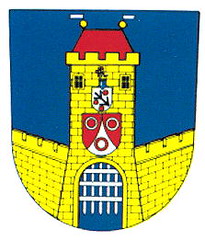
City coat of arms:
Visited:14. 9. 2021
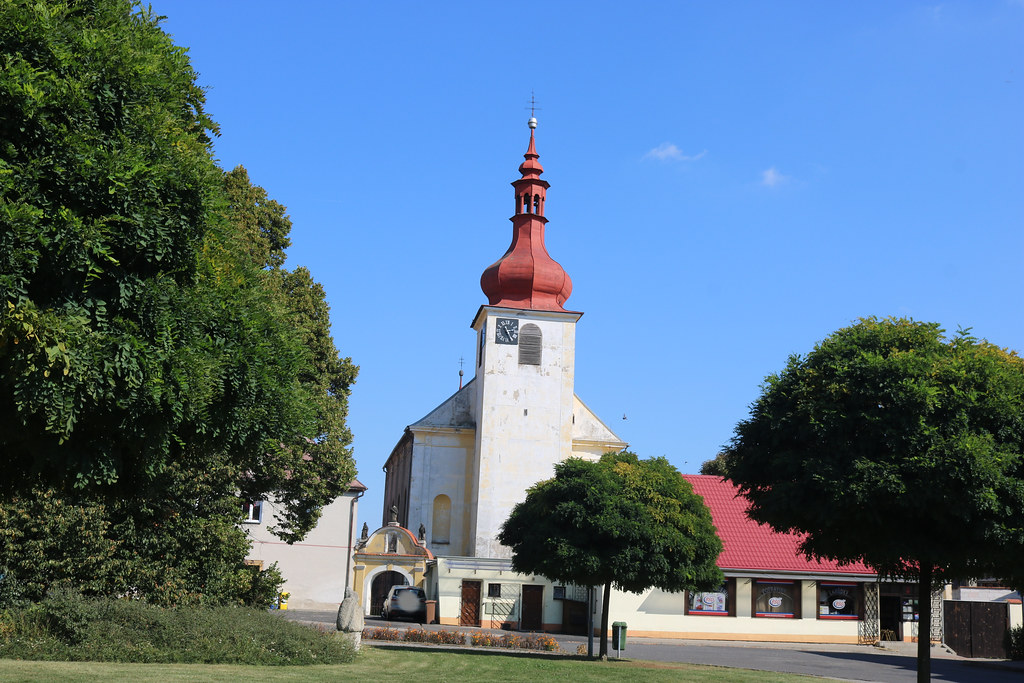
History:The village of Radonice (German: Radonitz) is located about 9 km south of Kadan. The name of the village is derived from the personal name Radoň meaning village of the Radon people. In historical sources the name of the village appears in the following forms: de Radoniz (1196), de Radonic (1239), de Radoniz (1260), in Radunicz (1272), in Radimicz (1360), Radunicz (1352), Radimicz (1384), Radinicz (1385), Radonicz (1399), in villa Radechow et Raduniczich (1404), in Radonicz (1434), Radonicze (1545), Radenicze (1654, Radonitz or Radenicze (1787) and Radonitz (1846). The first written mention of Radonice dates back to 1196 and can be found in the surname of Ojíř of Radonice mentioned as a witness on the deed by which Milhost of Mašt'ov donated the property to the Cistercian Order. From the thirteenth and fourteenth centuries the names of the owners of the village or its parts have been preserved. They were Vít and Mikuláš of Radonice (1239), Řivín of Radonice (1260), Svatoslav of Radonice (1316), Visemir and Ješek of Radonice (1360) and Ojíř of Očedělice, who in 1397 successfully argued with Anežka, the widow of Henšik of Radonice, in the provincial court over the Radonice inheritance. In 1406 his share was controlled by Jindřich of Mašt'ov. In the fifteenth century, Radonice was acquired by Nicholas and John of Lobkowice, who had patronage rights to the Church of the Nativity of the Virgin Mary in 1434, but smaller shares also belonged to the Knights of Obrovice. Around 1474 Radonice was part of a priest's estate, which was given as a fief to Benes of Veitmile († 1496) by King Vladislav Jagiellon. In later years Radonice belonged to Vintířov. Albrecht of Kolovrat became its owner in 1505, but three years later he sold the estate and Radonice to Opl of Fictum. At Opl's request, King Vladislav Jagellonsky made Radonice a town and granted it the right to brew beer, the right to sell salt, the right to permit crafts and to hold markets. Since 1528, town books were kept. Two years later, Opl's moneylender's workshop at Šumburk was discovered, and Opl was forced to flee the country. King Ferdinand I confiscated all his property and sold Vintířov and Radonice to Albrecht Šlik in 1532. The Šlik family surrounded the town with a wall and built the town gates: the town gate (1533), the Vintířov gate (1539), the Vilém gate (1584) and the Mašt'ov gate (1594). In 1534, they founded a malt house with a brewery, which they donated to the town in 1545 on the condition that they would pay the authorities eight Meissen groschen from each batch of beer. In addition, they allowed the town to run meat shops, permitted fishing and the establishment of craft guilds. There were two mills in the town, one of which had a hail mill. From 1552 there were baths in the town and in 1598 a hospital was established. The town was allowed to use the town coat of arms, which included the coats of arms of the Fictums and the Šlik family. City affairs were administered by a magistrate and a council of twelve sworn officers, who were later replaced by a magistrate led by the mayor. Among the mayors were Martin Beck (1575), Christopher Flescher (1580) and Nicholas Bachmann (1596). Under the Šlik family, Lutheranism spread in the town, which was subject to frequent inspections and protests from the ruler and the church authorities. Nevertheless, the Protestant faith remained in Radonice until 1622. After the death of Jerome Šlik in 1612, his property was inherited by Henry Matthias Thurn. As one of the leading figures he took part in the Estates Revolt of 1618-1620. After its defeat he had to flee the country but lost all his property. In 1622, Vintířov and Radonice were bought by Ferdinand of Nagarol, who immediately started the process of recatholization on the estate. He took over the warrior right from the town, but exempted the townspeople from labour duties. His widow forbade the town to accept Jews. In 1628, William Verdugo became the owner of the town, and after him in 1650, his stepson John Sebastian of Pötting, who revoked the rights granted by Ferdinand of Nagarol and issued new ones a year later. After the Thirty Years' War, the town had six burnt-out and eleven deserted houses according to the 1654 tax ruler. There were 71 serfs, some of whom were engaged in agriculture. They had a total of twelve farms and kept 23 cows, 22 heifers, 104 sheep and 69 pigs. In addition to them, there were many craftsmen in the town. In 1664, the estate of Vintířov was bought by the Losy family of Losinthal, who at the turn of the seventeenth and eighteenth centuries had the old church demolished and a new Baroque church built in its place. In 1729 they also established new rights and obligations for the town. It had to pay an annual tax of 661 gold pieces, plus interest of 50 and 65 gold pieces twice a year. Only Vintír beer could be sold in the town's three taverns. The town had to carry out the annual harvesting of the New Pond at its own expense, pay in-kind levies on the salt chest and meat shops, pay two-thirds of the costs of the surrounding vineyards, and supply hired hands when necessary.
Near Radonice there were two brown coal mines named Františka. The older one was opened at the end of the nineteenth century. Initially, the small mine employed only six miners, but their number increased to fifty over time. Similarly, the annual coal production increased to 20,000 tonnes in 1920. The mined coal was transported by barge to the Vilémov railway station. The younger mine of František II was the largest mine in the Five-Pesos area. It mined eight metres of seam from depths of 55-70 metres. The total production of the mine until 1940 was up to 900,000 tonnes of coal. In 1923, the new Juliana Mine was opened 600 metres south-south-east of Radonice on the site of the older Josef mine of the Willmitzer family. Up to forty miners worked here in geologically difficult conditions, extracting two seams from depths of 12-50 metres. By the time the mine closed in the 1930s, some 100 000 tonnes of coal had been extracted. Between the village and the Julián mine, the Karel mine also operated between 1934 and 1940, with a total production of up to 100 000 tonnes. The last radon mine was the Anna Theresa mine, opened at the end of the First World War. It mined seam stored at a depth of around 30 metres, but the total production of the mine was only a few thousand tonnes of coal. A transport connection by mail coach between Kadani and Doupov via Radonice was in operation since 1841, but the post office was not opened until 1872. Radonice gained a railway connection in 1884, when the branch line of the Doupov railway from Vilémov was completed. The extension of the line to Doupov was completed in 1902. An important industrial enterprise in the town was a sugar factory with a capacity of 200,000 quintals of sugar beet, which stood behind the town on the road to Doupov. It was founded by the Consortium of Professional Economists and Entrepreneurs, but in 1871 it was taken over by a joint-stock company of local farmers. The sugar factory operated until 1910. A year later it was bought by the company Antonín Springer and sons from Přísečnice, but production could not be resumed. The next owner was the municipality, from which Ferdinand Lobkowicz bought the sugar factory in 1917, but even he was unable to restore the former operation. In 1920, cabbage was processed on the premises, but production was soon moved to the Löbl and Fuchs cannery. The electrification of the town began in 1910 with the connection to the grid of the Lomazice power station. Ten years later, a cannery for processing cabbage and cucumbers began operating in the town. It was closed in 1989. A brickyard was opened near Liboce, which remained in operation until the mid-twentieth century. After the Munich Agreement, Radonice found itself on the edge of German-occupied territory. The German army occupied the town on the afternoon of 9 October 1938. Just before that, Czech gendarmes left the town. During the Second World War, a prisoner of war camp operated in the town, with branches in the surrounding villages under its administration. In Radonice itself, 35 prisoners from France were interned on the site of the former sugar factory, working mainly in the mines. The Red Army arrived in Radonice on 9 May 1945. During 1946, the original inhabitants, who had gathered in the camp near Prunéřov before going to Germany, were displaced and the inhabitants from the interior were resettled. While in 1930 there were a total of 921 inhabitants, in 1950 there were inhabitants living here. A unified agricultural cooperative was founded in Radonice in 1952, but it broke up after only a year. It was then reconstituted and, although it prospered, it was later merged with the JZD Račetice. At the end of the 1960s, the construction of a housing estate of prefabricated houses began, followed by a sewage system and in the 1990s a sewage treatment plant. A new kindergarten was opened in 1983 to the north of the school building and a neighbourhood of family houses grew up in the last two decades of the twentieth century. According to the 2011 census, a total of 867 residents lived here.
Source:https://cs.wikipedia.org/wiki/Radonice_(district_Chomutov)
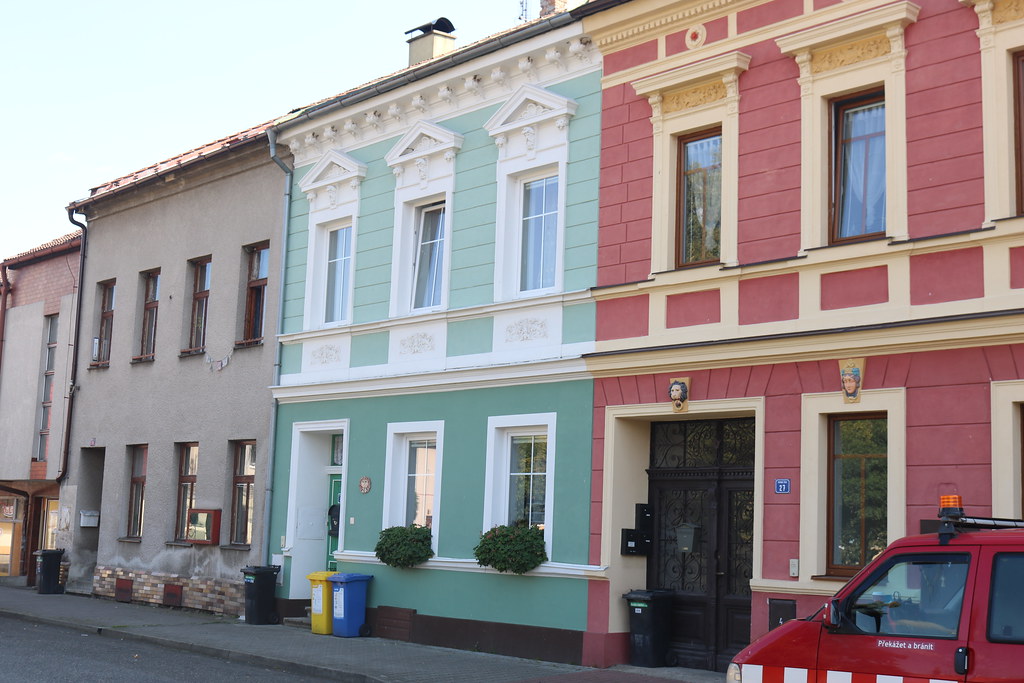
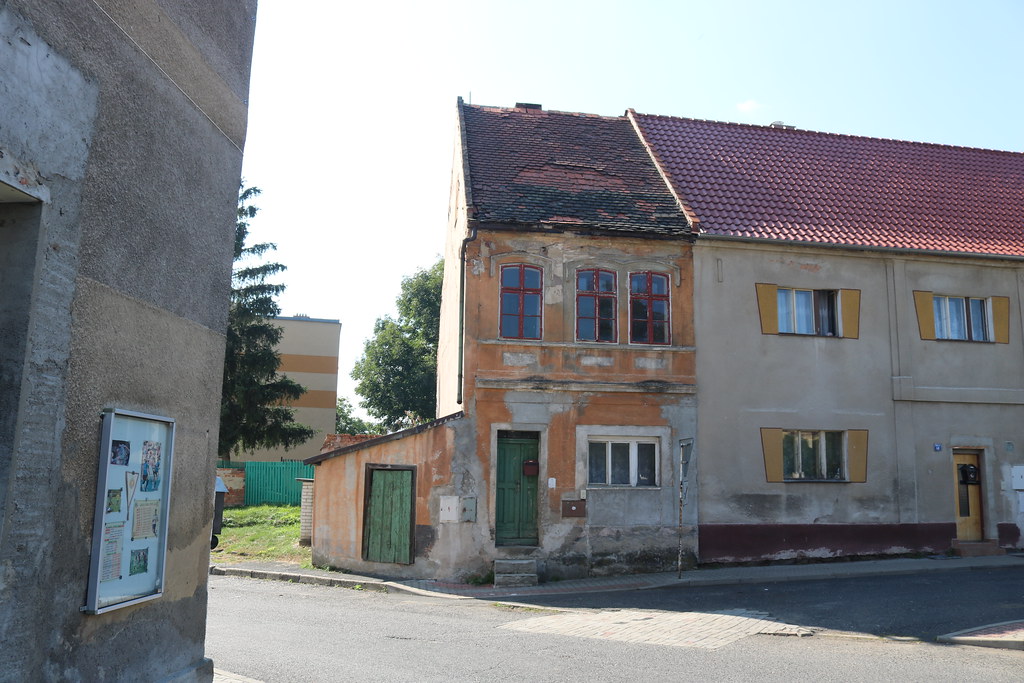
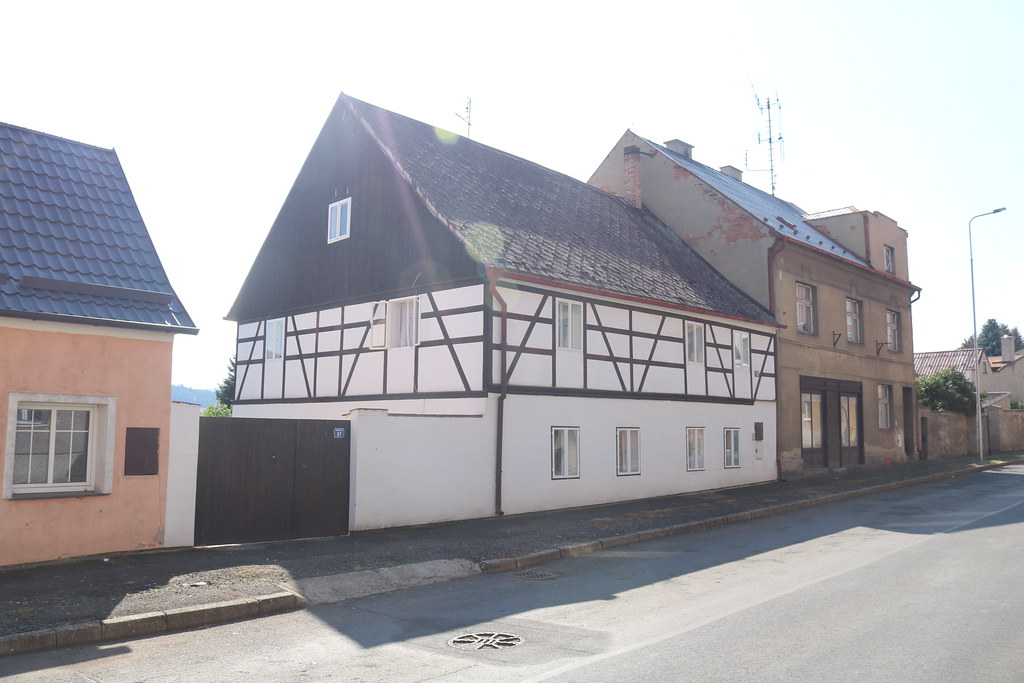
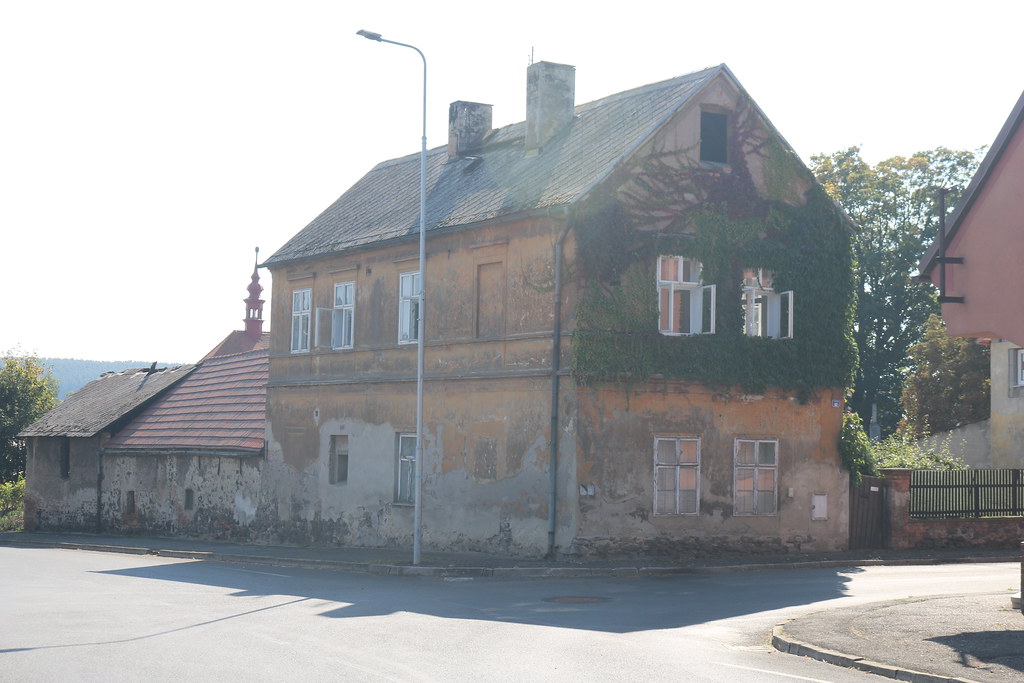
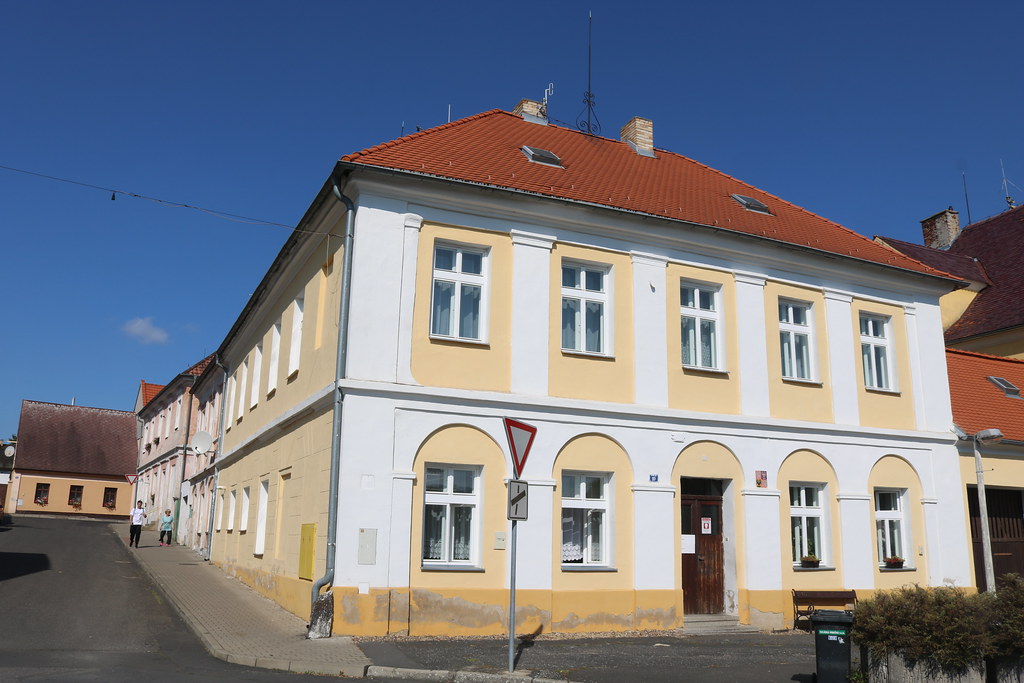
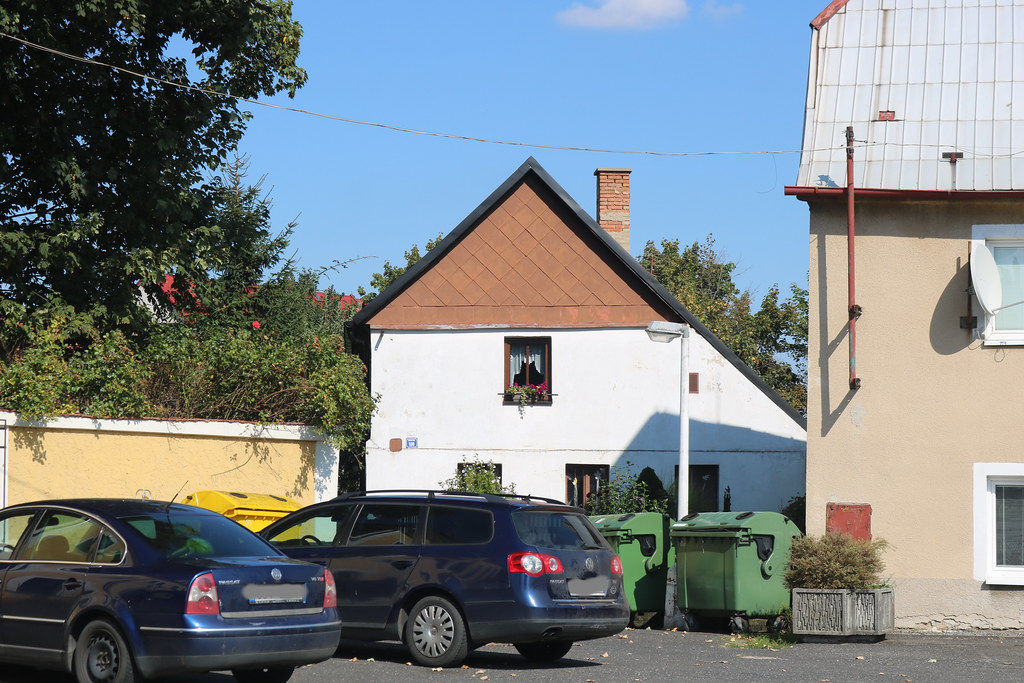
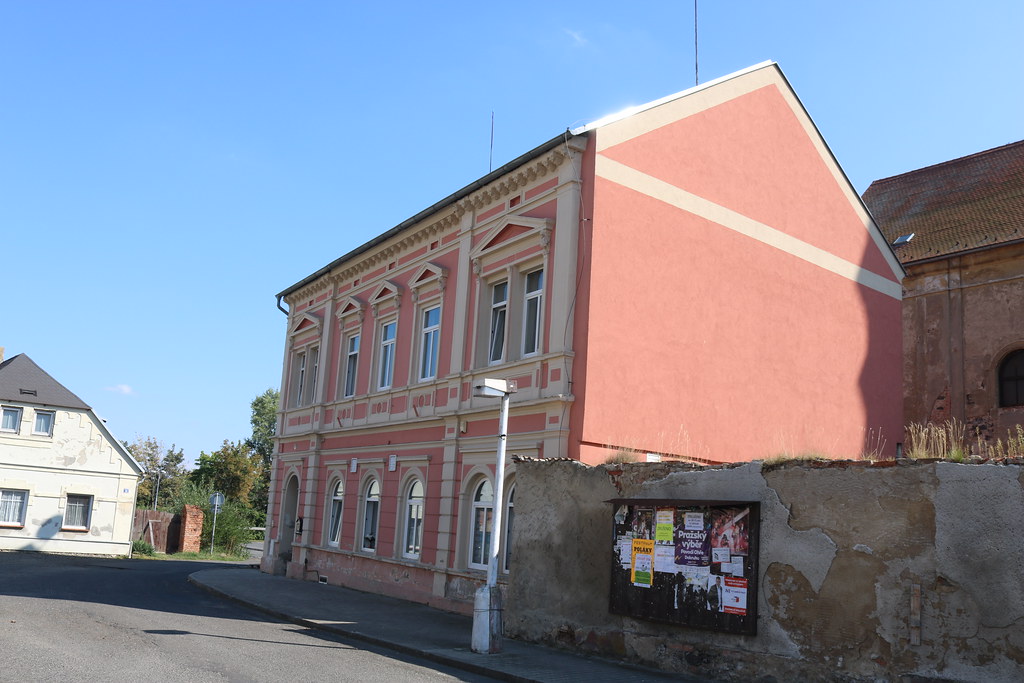
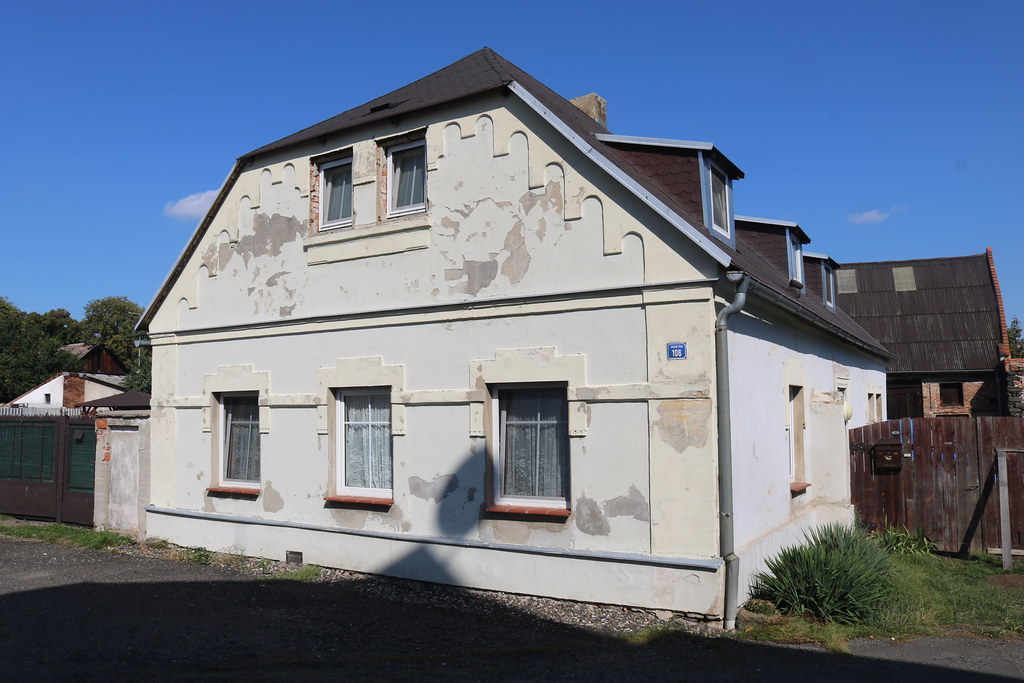
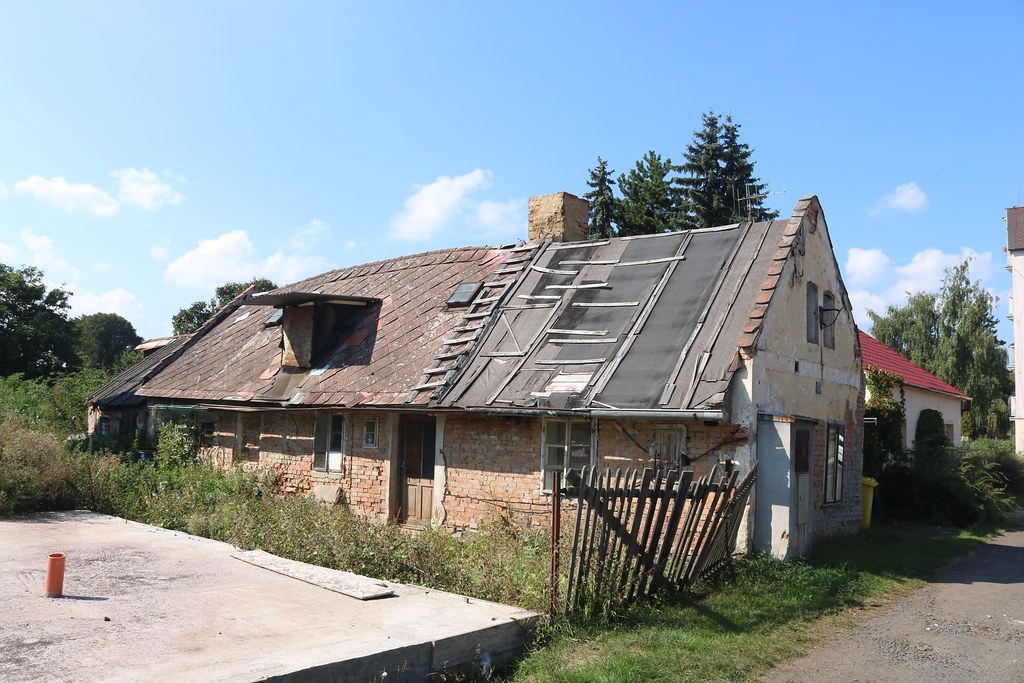
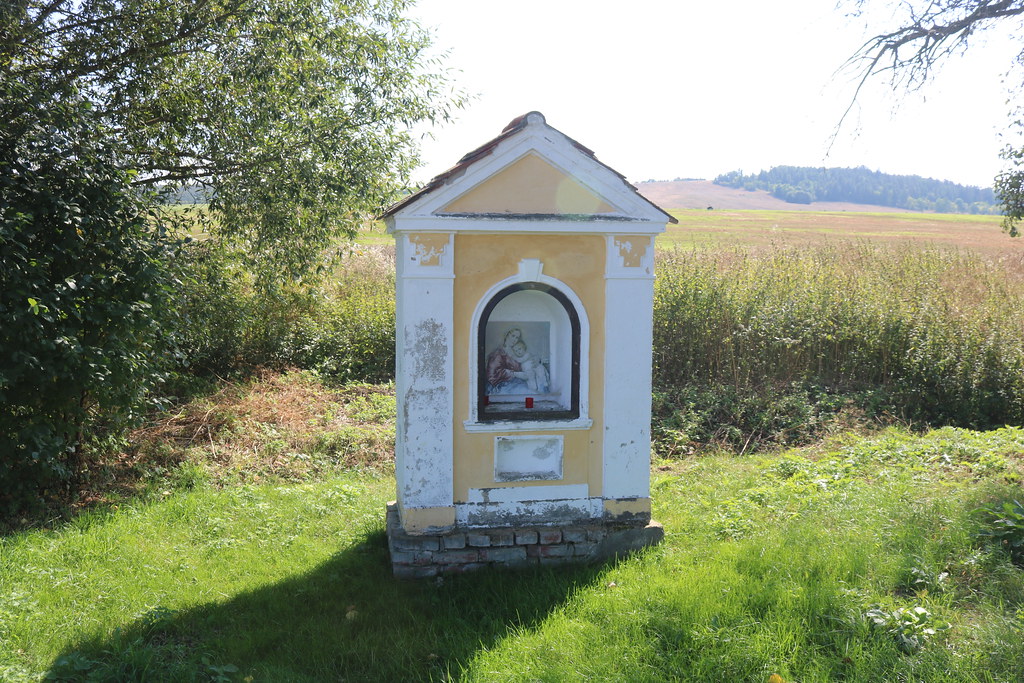
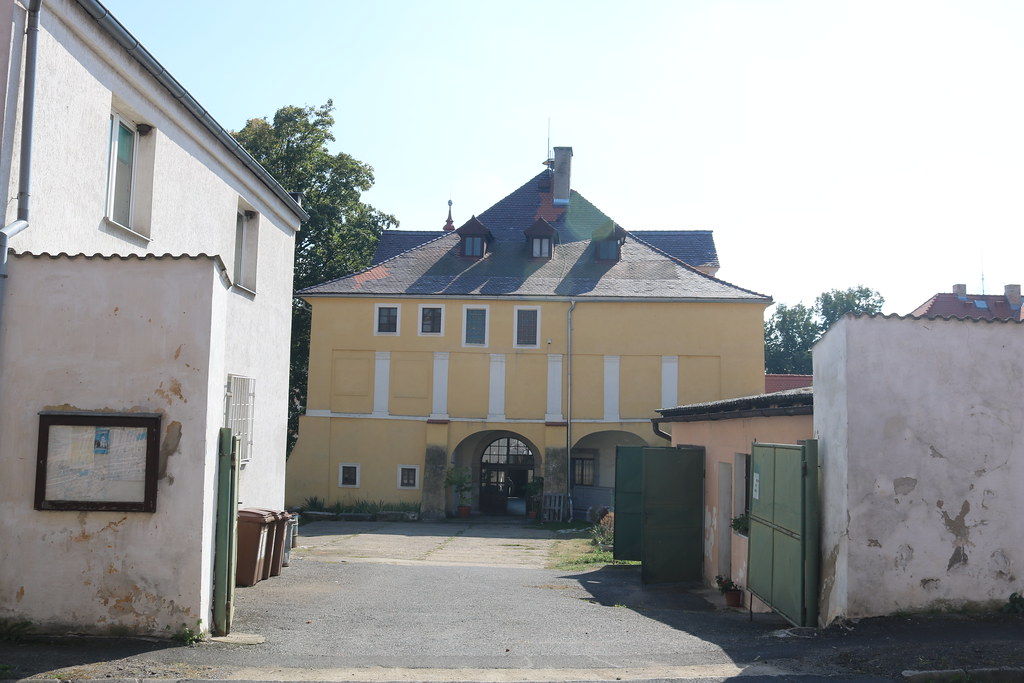
Impressions:A large village, located south of Kadana, where there are many attractions.