City coat of arms:

Visited:13. 9. 2021
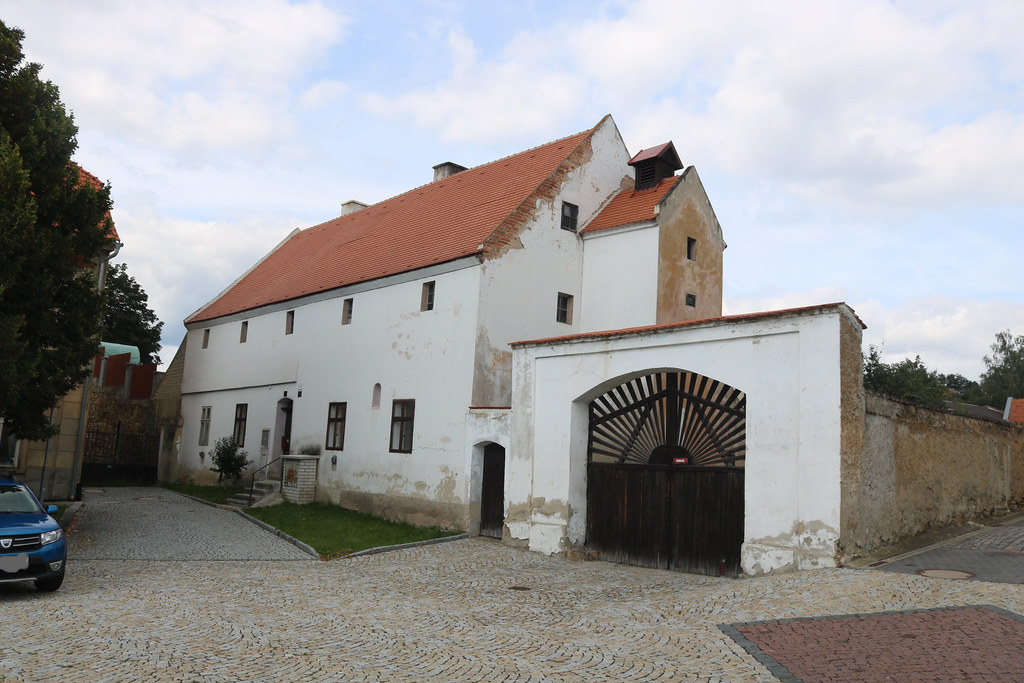
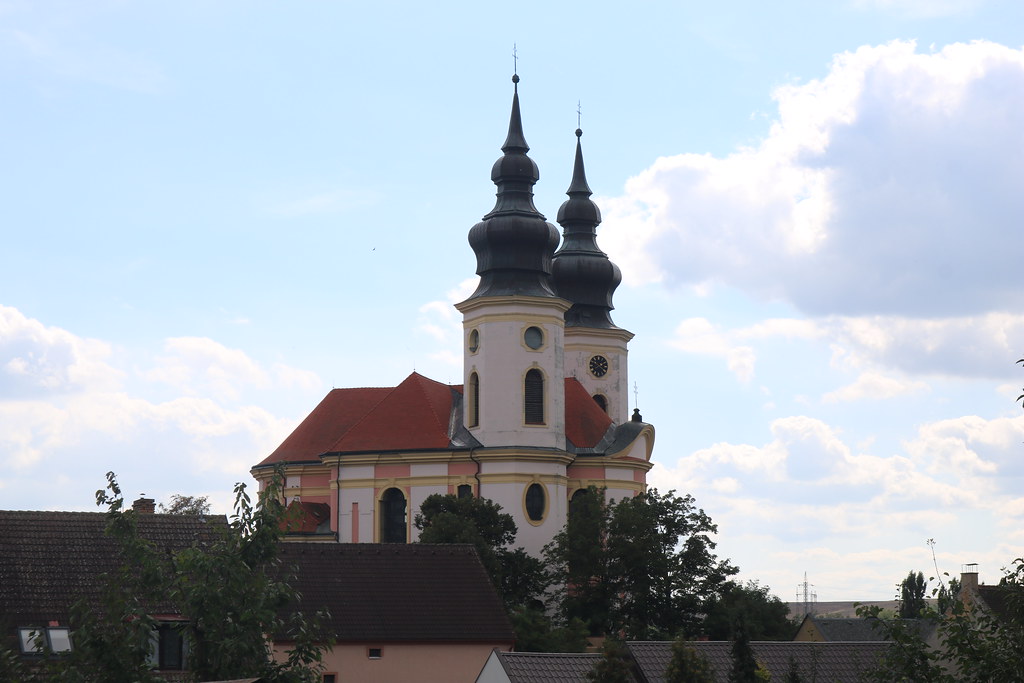
History:The village of Březno (German: Priesen) is located about 7 km south of Chomutov. The original name of the village, derived from the Old Czech word břězen, was Březen meaning birch (birch forest). In historical documents, the name appears for example in the following forms: de Briesen (1281), de Prisen (1295), Brziezna (1352), Brziczina (1369), Bryzna (1384), Brzzna (1405), Brzezna (1571), Bržezno (1606), Prisen, Prießen or Bržezno (1787) and Priesen (1846). The area around Březno along the Hutná River has been inhabited since prehistoric times. A partially archaeologically investigated settlement was located in the south-western edge of the settlement, at the site of the sewage treatment plant of the Nástup - Tušimice quarry, in the Latin and Roman periods. The first written mention of the village dates back to 1281 and appears in the surname of Lidéř and Bedřich of Březno, who testified on the deed of Chotěbor of Račice when he presented the Order of German Knights of the Chomutov Commandery. Březno used to be divided among several owners. These included the brothers Bohuslav and Bedřich of Čachovice, mentioned in 1365 and 1375, Heřman of Šumburk (1375), Aleš of Kolovrat (1401) and after him his daughter Dorota mentioned in 1422. Plichta of Žerotín annexed the village to the manor of Bork Castle and endowed it with the Chomutov law. Thus, the inhabitants were obliged to work, pay taxes and pay benefits in kind. In return, they received the same rights as the townspeople in Chomutov, e.g. inheritance rights to houses and land. At that time the village had a town clerk, twelve constables and its own court with a court of appeal in Chomutov. In 1443, Nicholas II of Lobkowitz became the owner of the village. Sometime around that time, the fortress in Březno probably began to decay, as the owners did not live there after 1440, and eventually it completely disappeared. It is said to have stood to the east of the church and it is possible that a town hall was built in its place with the permission of George Popel of Lobkowitz in 1592. The year 1469 was significant for the village because King George of Poděbrady on 20 January, at the request of John of Lobkowitz and Hasištejn, elevated the village to a town. He also granted it the right to hold a weekly market on Tuesdays, to establish brewery houses, to sell meat and to practice other crafts. The craftsmen were organised in a single common guild, whose status was confirmed in 1597 by Emperor Rudolf II. Between 1541 and 1549, the town was owned by Šebestián of Veitmile, followed by his nephews Václav and Kříž. The next owners were Jan Kermer (also Kernar) of Krbice and from 1561 Archduke Ferdinand of Tyrol, who annexed it to the Chomutov manor. At that time, Březno was already a town, which King Ferdinand I elevated to the status of a town in 1556. According to the 1563 town directory, there were 71 subjects living in the town. In 1571, Bohuslav Felix Hasištejnský of Lobkovice bought the Chomutov manor and Březno from Archduke Ferdinand. Protestantism was spreading in the town at that time, which did not bother the Lobkovics of Hasištejn. However, Bohuslav Jáchym Hasištejnský of Lobkovice exchanged the Chomutov estate with Jiří Popel of Lobkovice, who, as a Catholic, did not tolerate Protestants on his estates, and expelled them from the town. After the fall of Jiří Popel in 1594, all his property was confiscated and the town was administered by the royal chamber. The vast Lobkowicz estate had to be divided into parts so that it could be sold. The part that included Březno was bought by Linhart Štampach of Štampach in 1605. The town with 79 subjects was valued at 12,812 kopecks, which was low compared to nearby Drahonice. Linhart's sons took part in the rebellion of the Estates, for which they were condemned to lose their property after the Battle of White Mountain. The confiscated Březno was then administered by the governor of Chomutov, Mikuláš Hansburk of Koprzek, until 1623, when the estate was bought by Jaroslav Bořita of Martinice.
His son-in-law Florián Žďárský of Žďár bought the estate from Jaroslav Bořita of Martinice. During the Thirty Years' War, the town was struck by a plague epidemic in which 120 people died. In 1633-1635, the imperial soldiers were stationed here. According to the 1654 tax ruler, the town was in a poor state and the inhabitants lived by crafts, grain growing and cattle breeding. The town's brewery was also used by the nobility to brew beer. There were 35 townsmen and 31 peasants and cottagers. Twelve of them were craftsmen, two butchers and one innkeeper. The townspeople owned 56 covers, 60 cows, 64 heifers, 191 sheep, 124 pigs and 19 goats. The peasants and cottagers together owned only fourteen covers, 28 cows, twenty heifers, 46 sheep, 35 pigs and sixteen goats. In 1671, Count Maximilian of Martinice from the Ahníkov estate became the owner of Březno, and he expelled the Jewish community from the town due to frequent disputes between the townspeople and the Jews. The Martinic family tried to regain the patronage right from the Jesuits of Chomutov, but they succeeded only in 1737. According to the Theresian cadastre, the March brewery brewed over 160 barrels of beer a year. There was also a mill with two wheels on unstable water and a town hospital. The townspeople did not have to do any work, but paid 201 gold coins and 43 kreutzers a year to the Jesuit college in Chomutov. In the nineteenth century, lignite was mined in the area. The first brown coal mine near Březno was Jan Křtitel, founded before 1840, which continued to operate until 1902 despite frequent changes of owners. No more than five miners worked there, extracting seams at depths of twenty to thirty metres. However, the total production of the mine was only forty thousand tonnes of coal. In the middle of the nineteenth century, the Antonín mine was opened with an annual production of around 750 tonnes and the Barbora mine in 1863, but it was soon abandoned due to the poor quality of the coal and, after a brief resumption of activity, was joined to the Sirius mine field in 1901. The Sirius mine was located about half a kilometre north of March and was not opened until 1920. Up to thirty miners mined a 2.5 metre seam at a depth of twenty to forty metres. Sirius was unique in that the coal was not exported from it by shaft, but by an inclined shaft with a built-in cable car. After a few years the mine passed into state ownership and was closed in March 1932 due to difficult geological conditions. In total, the mine produced 80-120 thousand tonnes of coal. The ruins of the site were demolished in 1975. After the abolition of the patrimonial administration in the mid-19th century, the village became an independent municipality, which it has retained to the present day. A post office was opened in the town in 1869. The planned construction of the railway from Pilsen necessitated the expansion of the brickyard. In 1870 the brewery was closed. Fourteen years later it was bought by the owner of the brewery in Horní Ves, who used it only for storing beer. After 1870, however, the brewery water tank served as a water reservoir fed by pipes from Studniční hill near the railway station. In 1870 the acid spring by the road to Bran was lost, but it was still pumped for some time in the brickyard.
The only military event that directly affected March during the Second World War was the aerial bombardment of trains at the railway station on 17 April 1945. In April 1945, two trains carrying prisoners from concentration camps stopped at the station for one and two weeks. Both trains had 55 carriages, each of which contained forty to fifty prisoners. According to the municipal chronicle, 306 of them died during their stay at the station. The dead were buried in common graves, which were exhumed on September 19, 1945, and the anonymous remains were buried in separate graves. March was liberated by the Red Army. One of its detachments had already occupied the hillside above the town on 8 May 1945, but did not enter until the following day, when it disarmed the Germans and then proceeded towards Čermnice. The removal of the Germans began in September 1945 and continued until 1947. Only ten families of miners were allowed to stay and had to move out of their houses. At the same time, new inhabitants began to arrive and were given houses that had been confiscated from the original inhabitants. This resulted in a total of 1,524 inhabitants living here in 1930, while in 1930 there were 912 inhabitants. A theatre society was founded and a library opened. After the February coup d'état, several private trades were closed and a machinery cooperative was established to lend agricultural machinery to private farmers. This was followed in May 1949 by the establishment of a unified agricultural cooperative, which merged with the unified agricultural cooperative in Bran in 1962. Two years later it was incorporated into the Střezov State Farm. According to the 2011 census, there were 989 inhabitants.
Source:https://cs.wikipedia.org/wiki/B%C5%99ezno_(district_Chomutov)
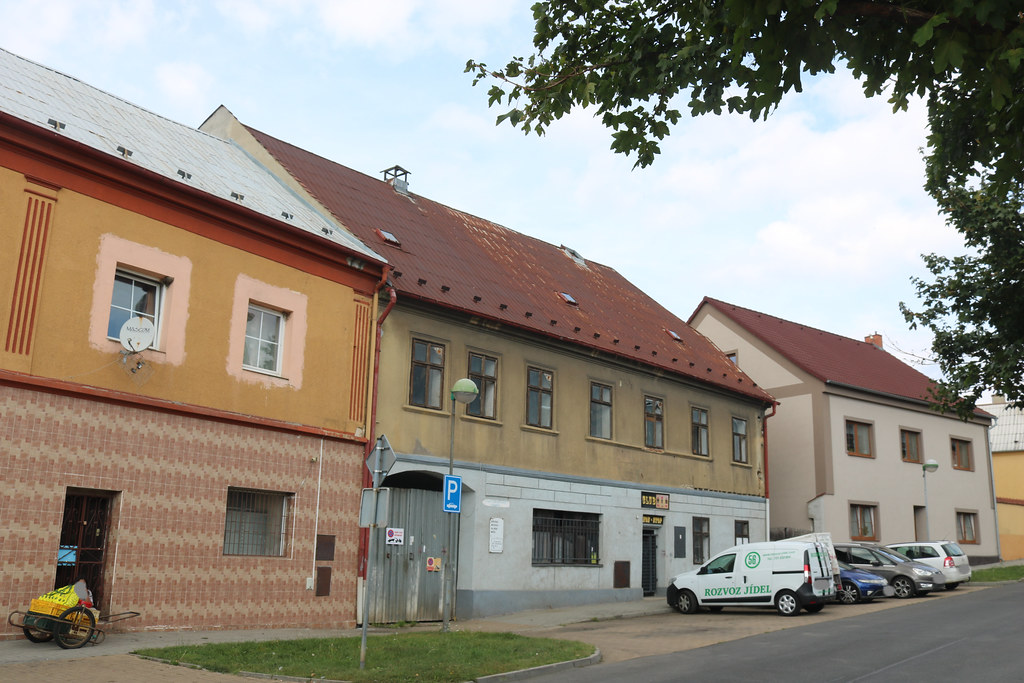
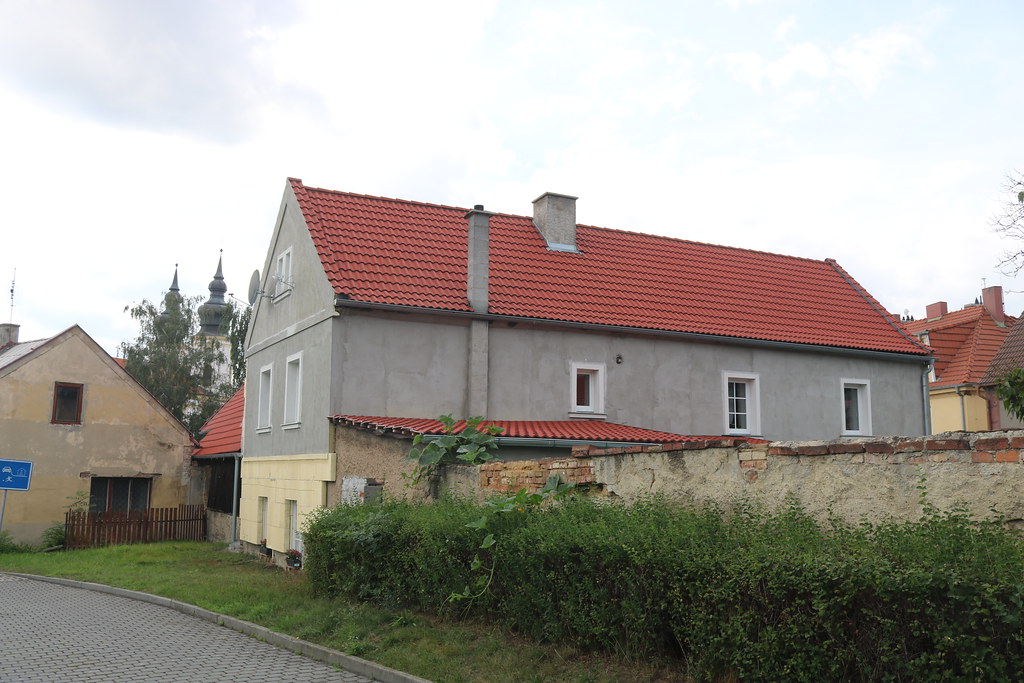
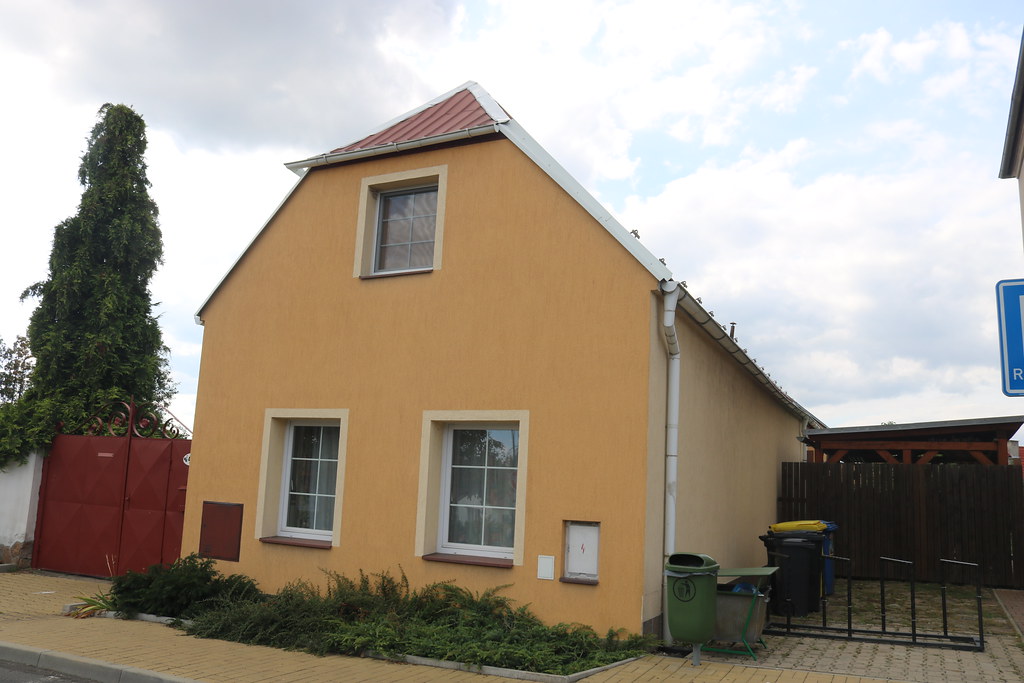
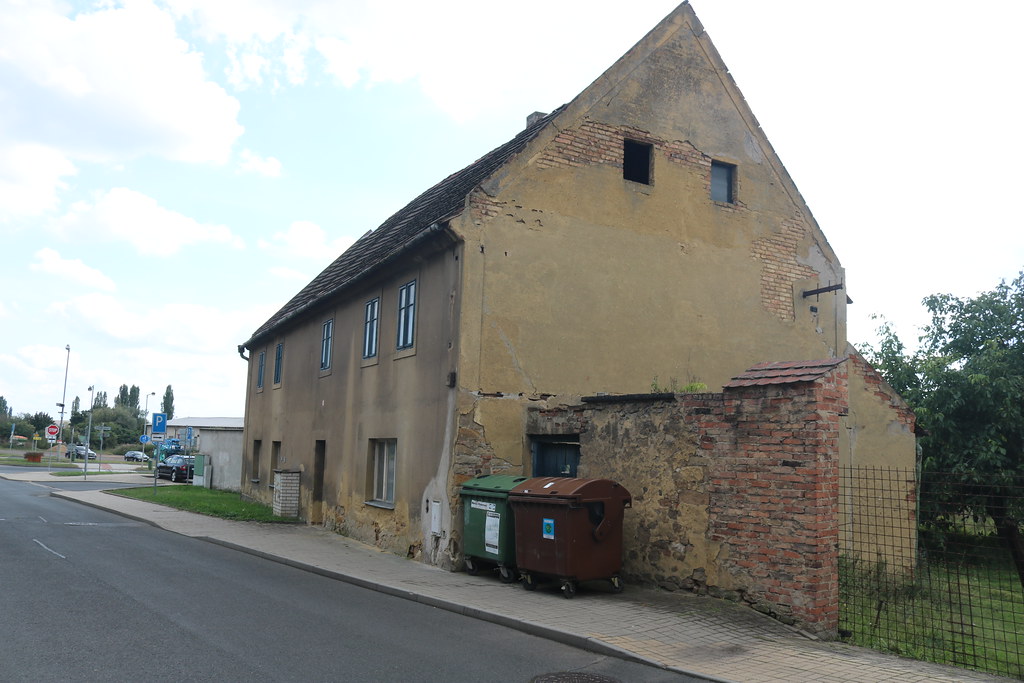
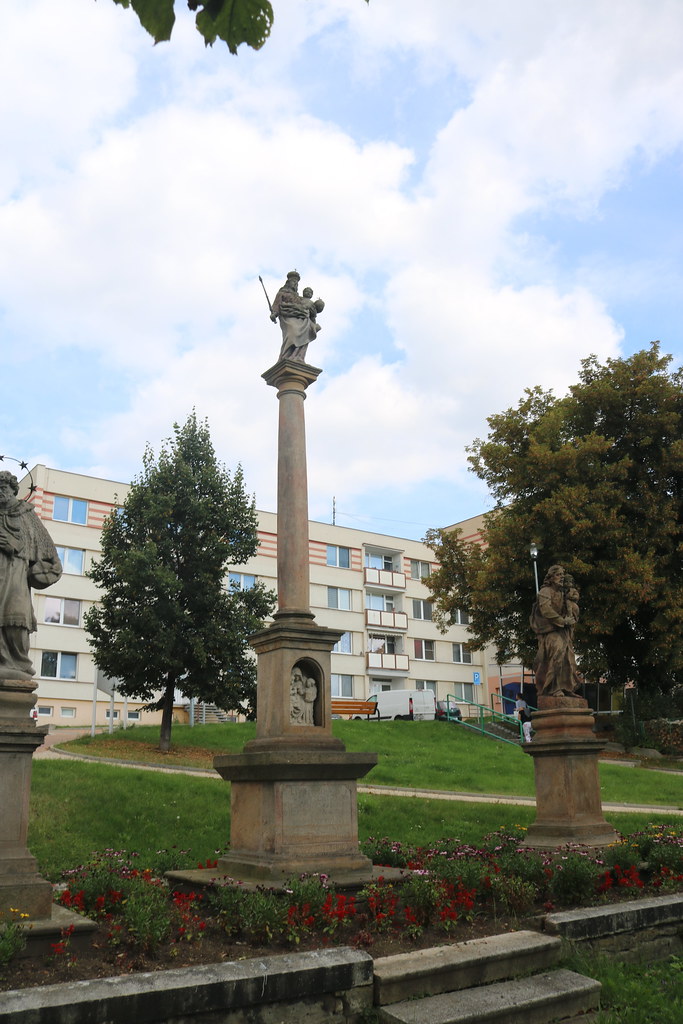
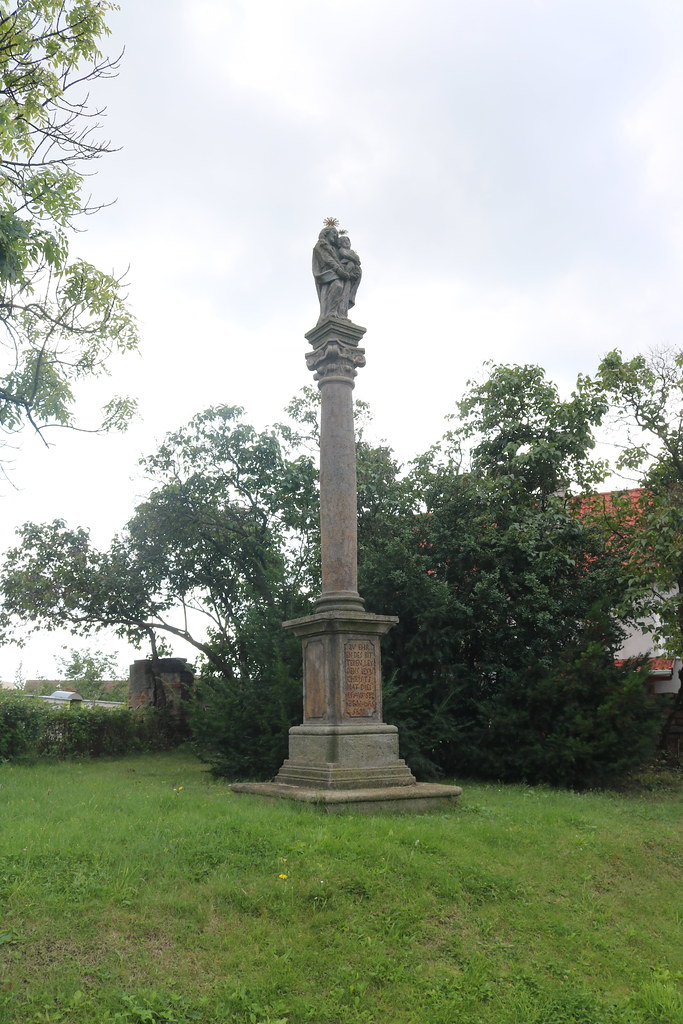
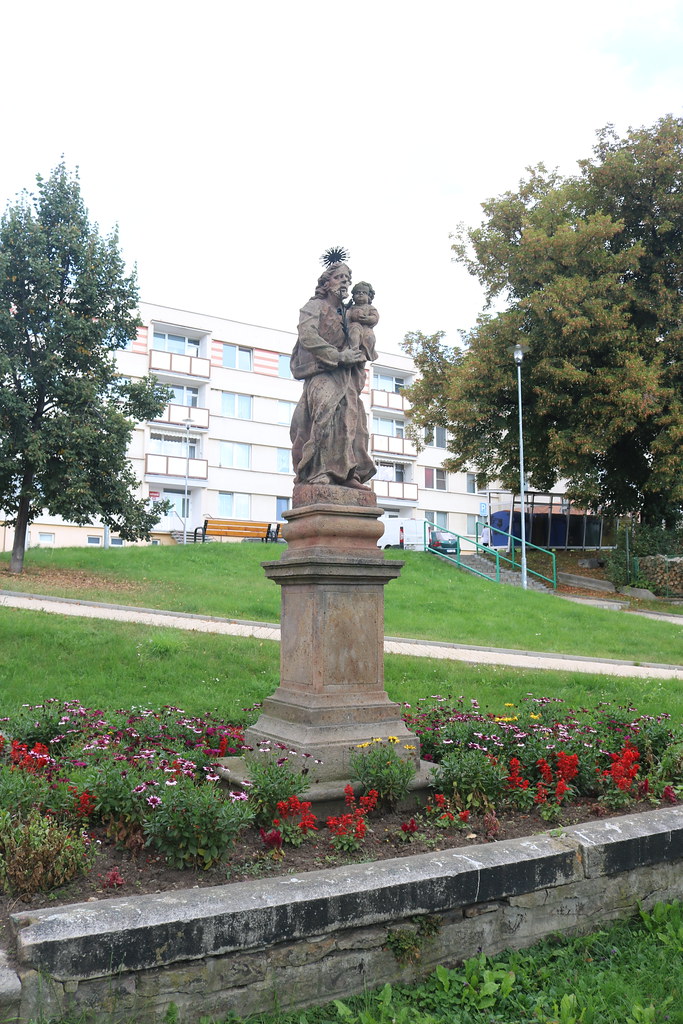
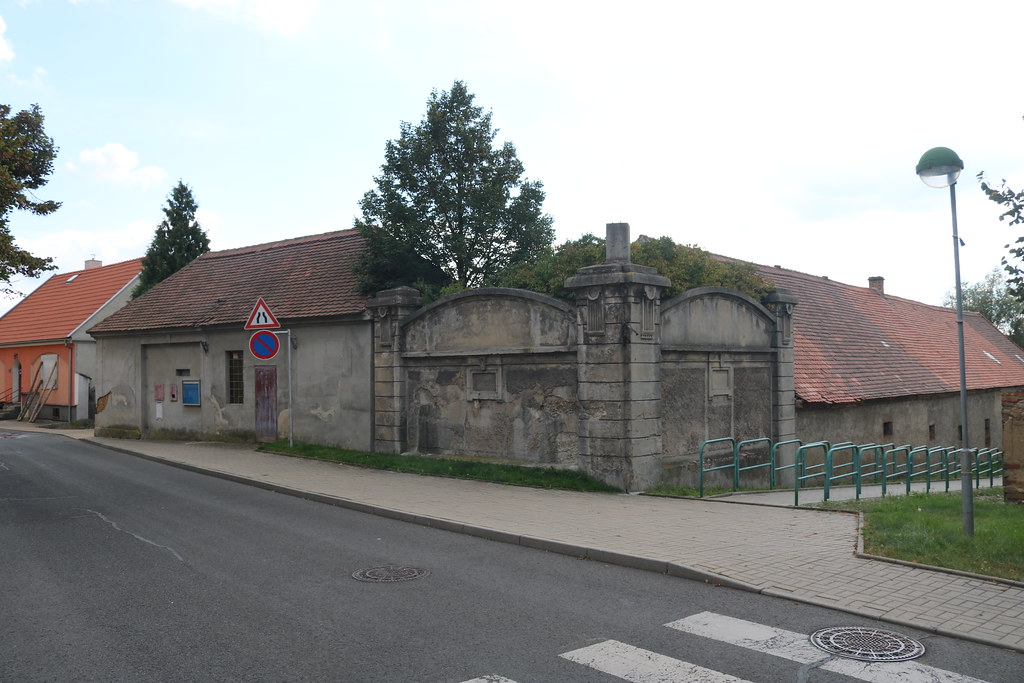
Impressions:A large village, located south of Chomutov, where there are many attractions.