Visited:20. 9. 2021
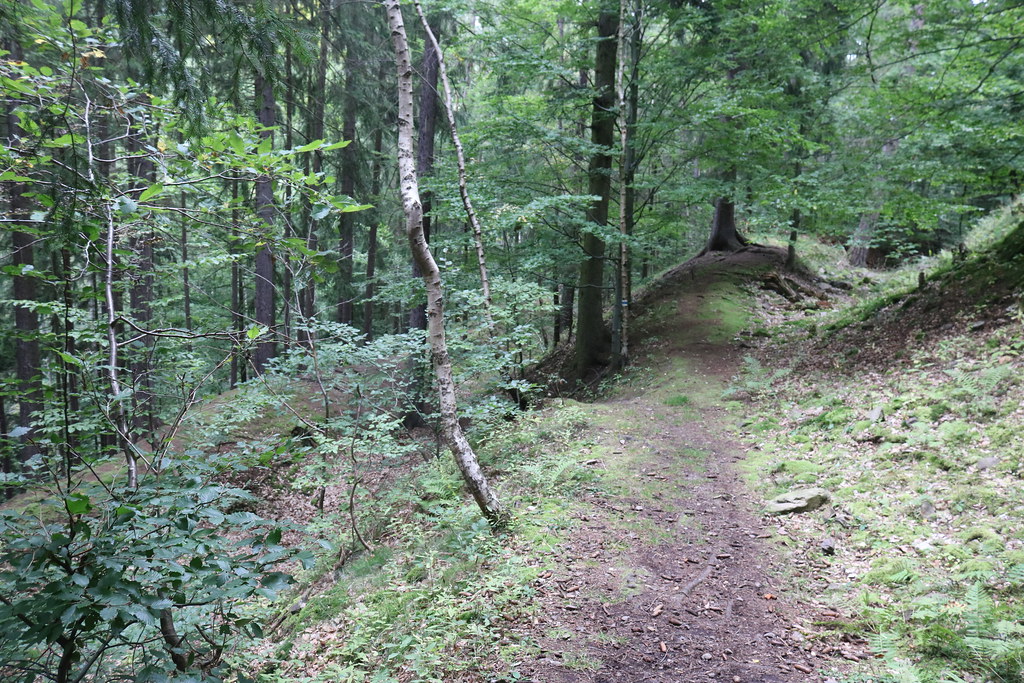
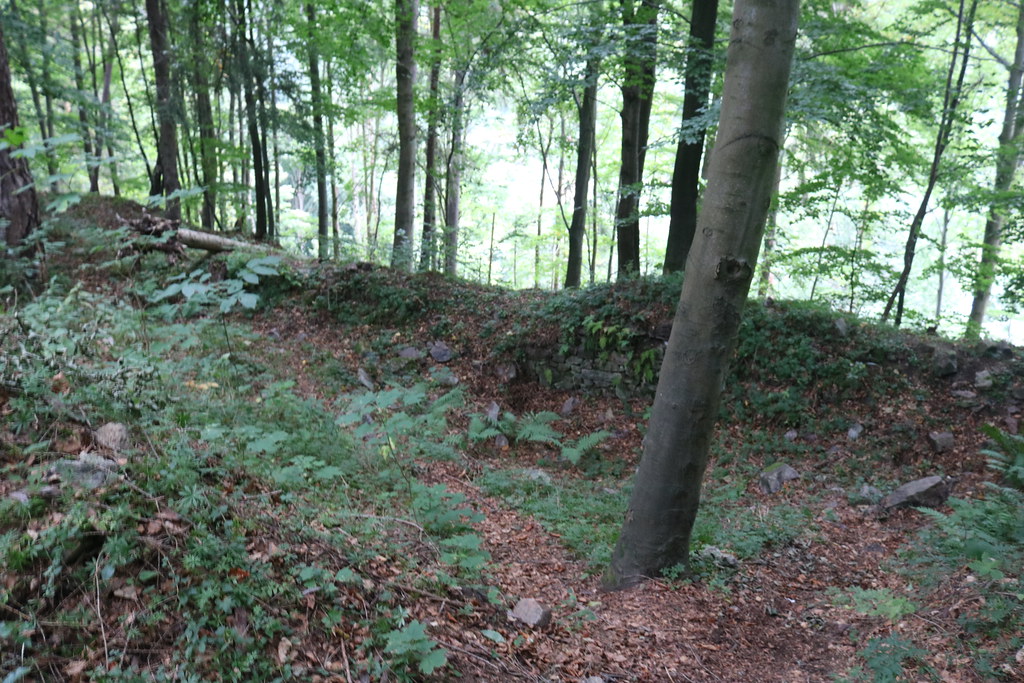
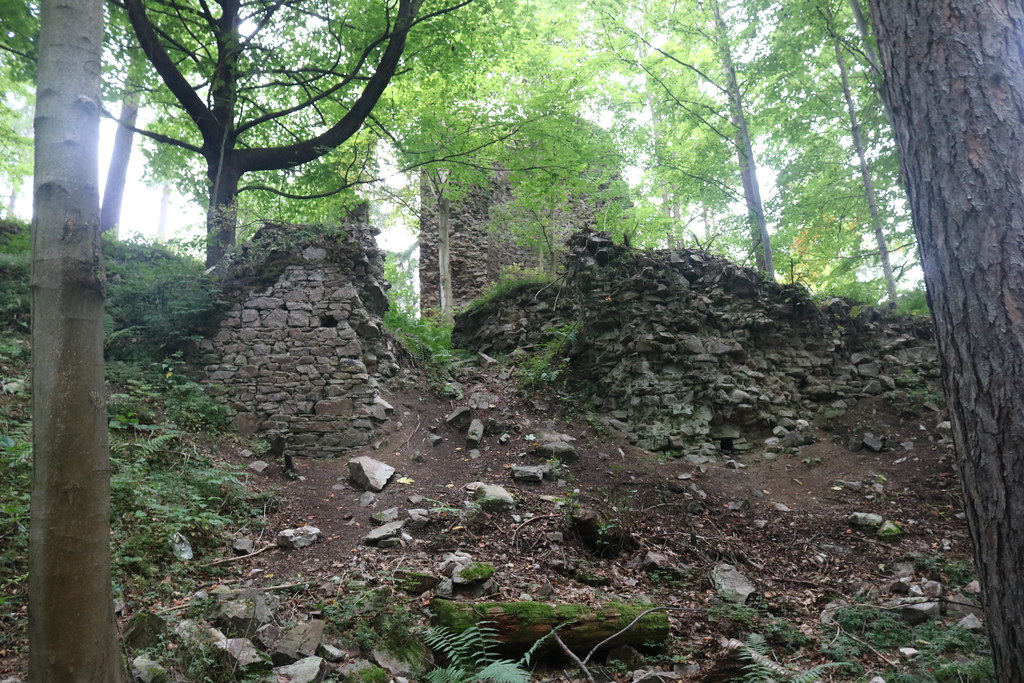
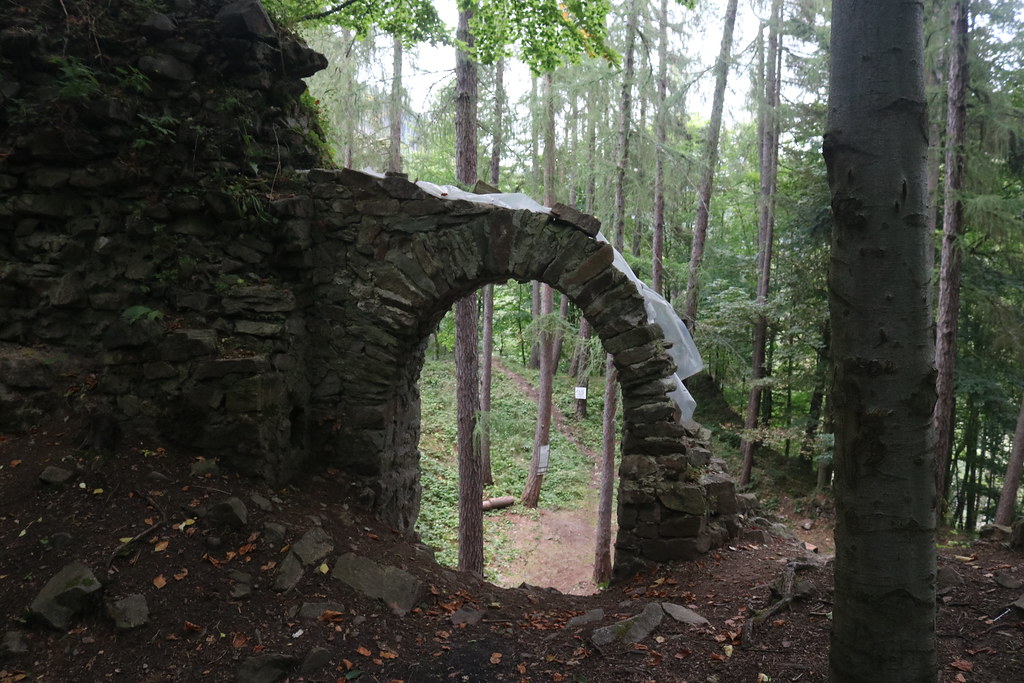
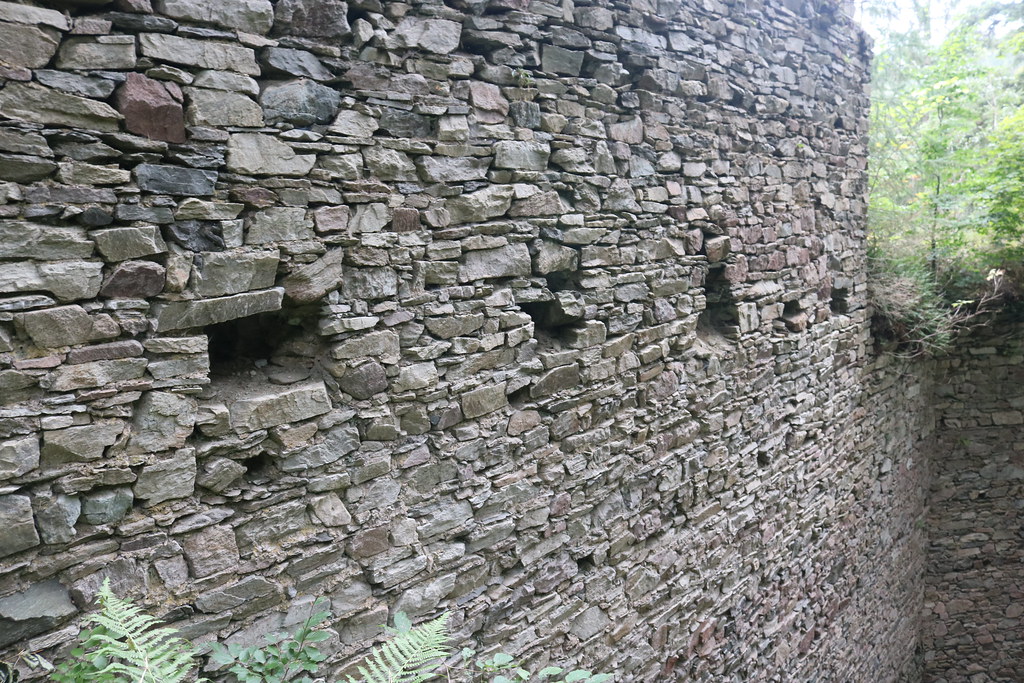
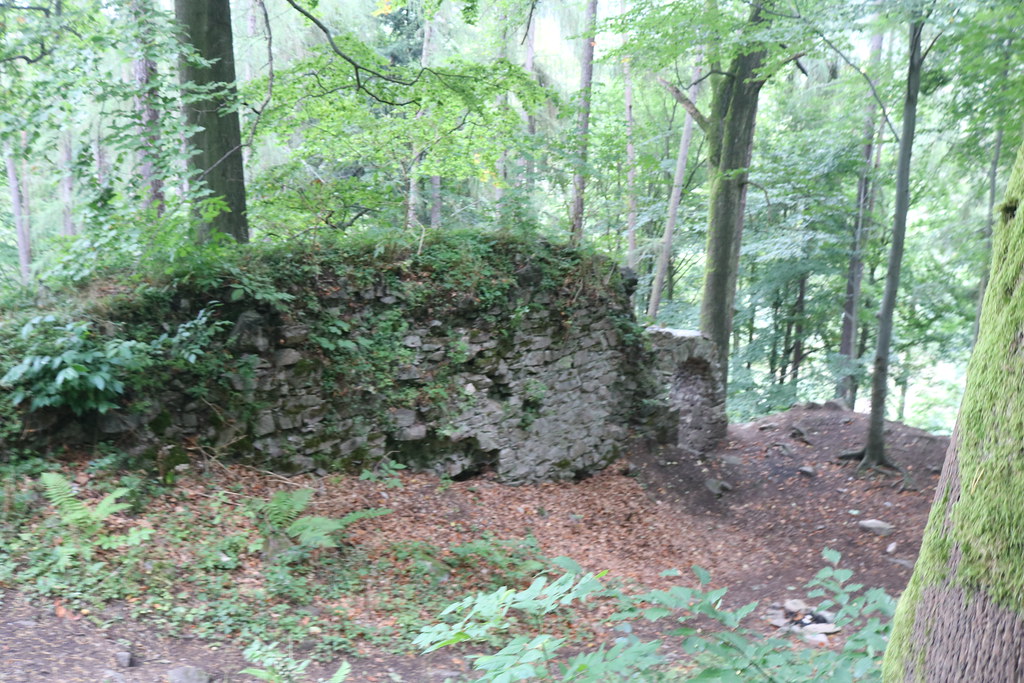
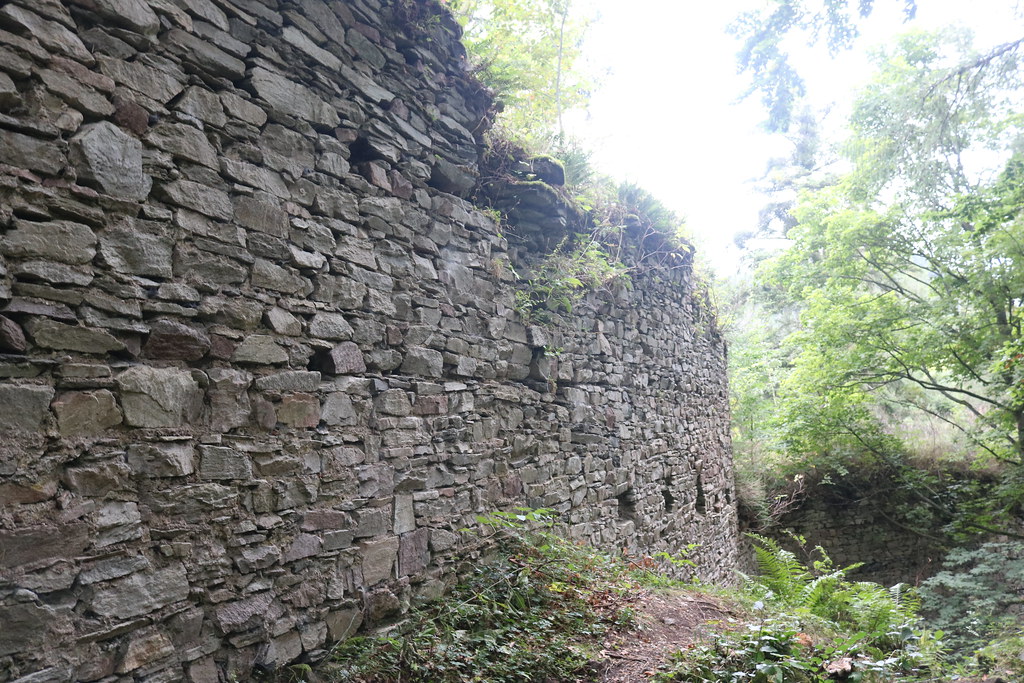
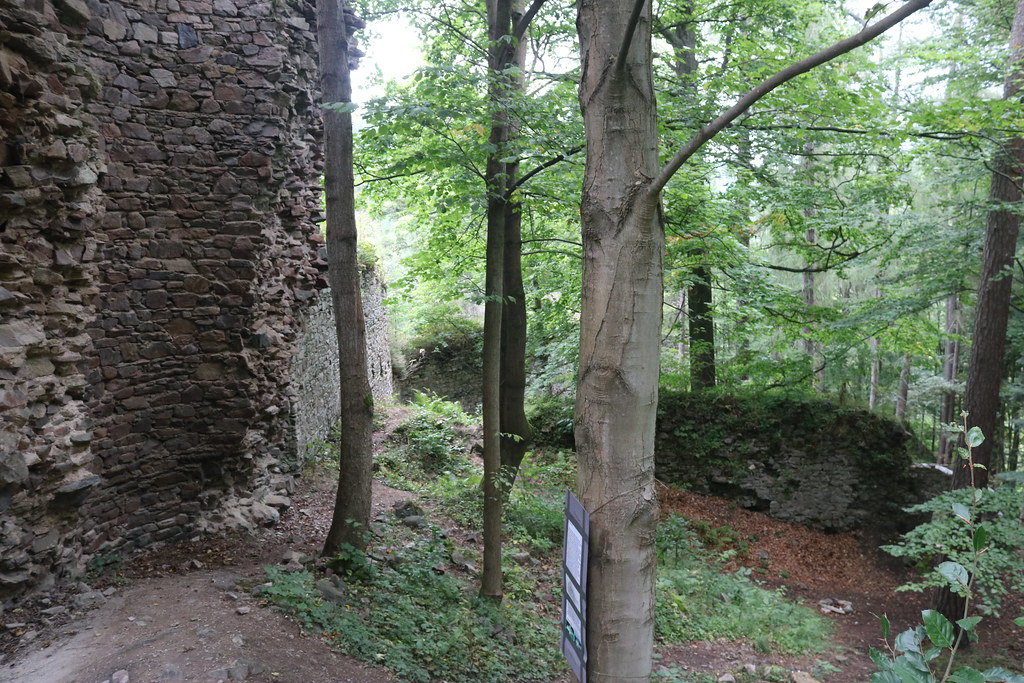
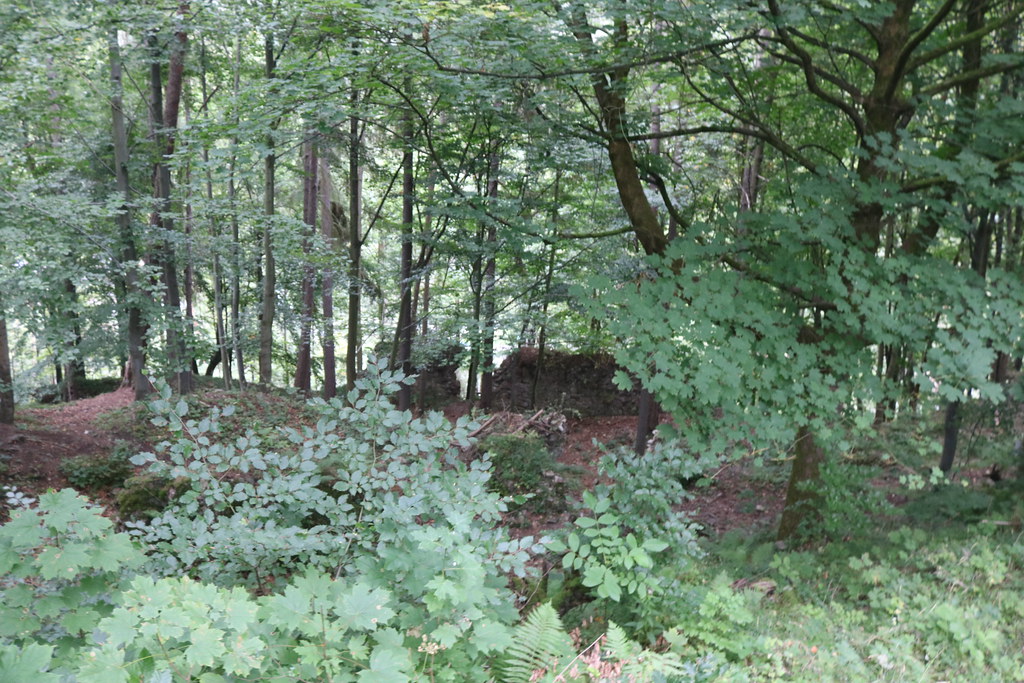
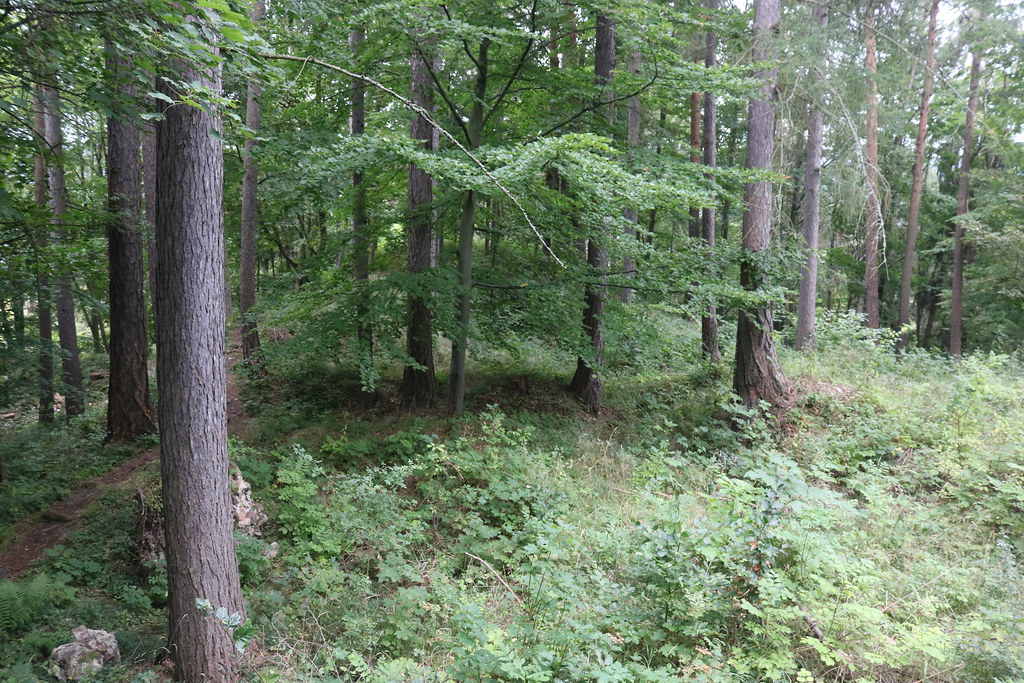
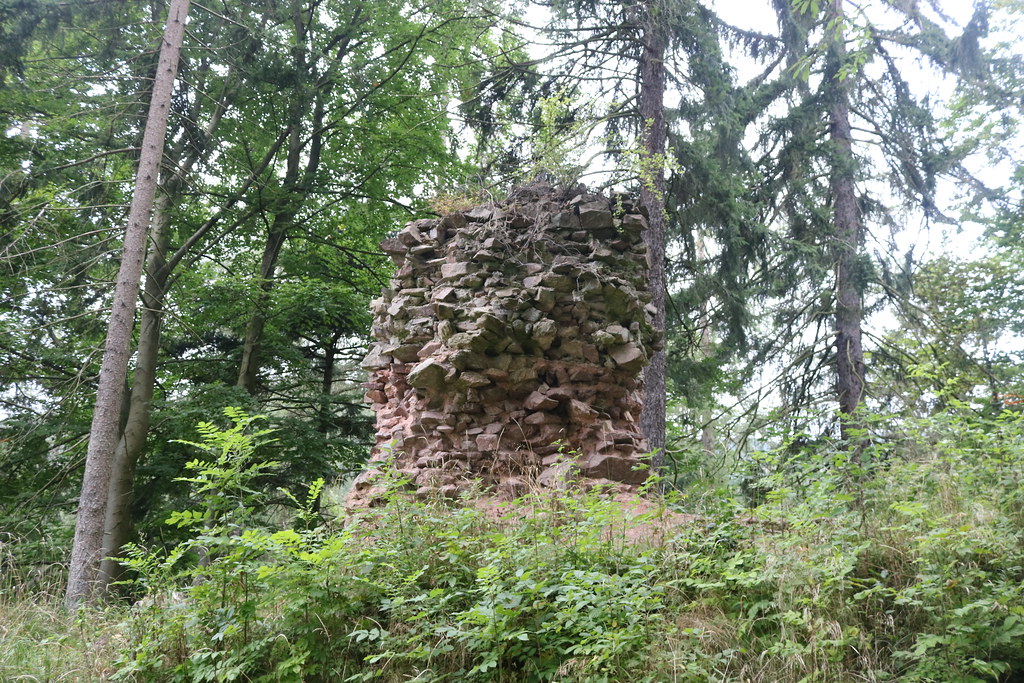
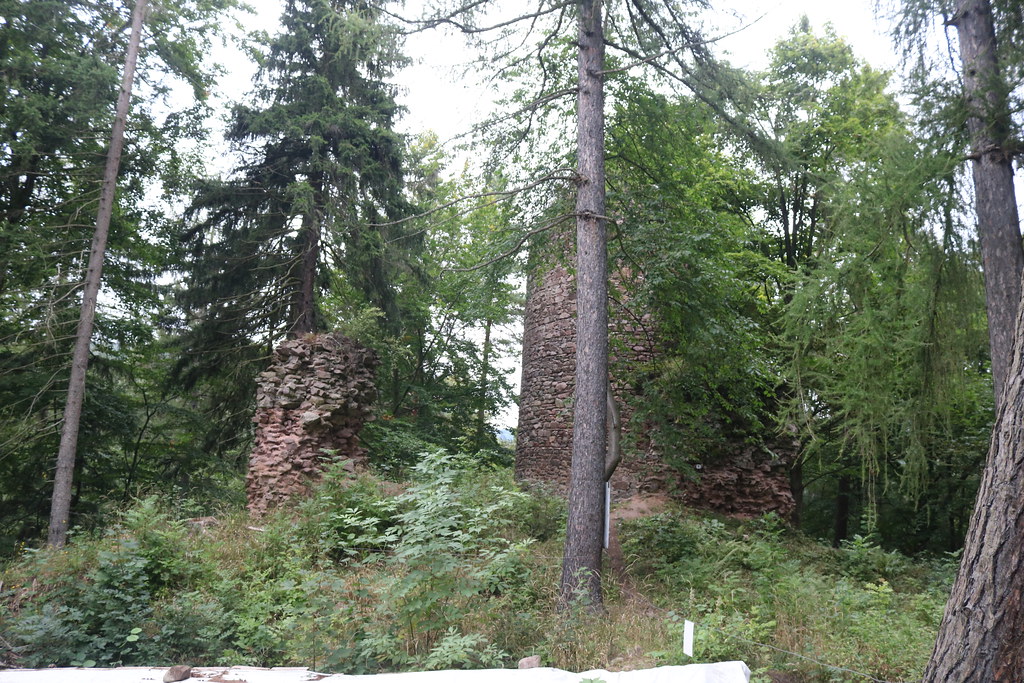
History:The castle was founded in the second half of the 13th century. Tomáš Durdík considered the lords of Šumburk as the probable founders, but their relative Boreš of Rýzmburk, mentioned in the period 1248-1276, is also mentioned with reference to the similarity of his name with the older name of the castle. The first written mention of the castle's existence is a report from 1344 in connection with Bedřich of Šumburk, the lord of Perštejn, but the publication Urkundenbuch von Stadt und Kloster Bürgel contains a reference to Bedřich as the lord of Perštejn dating back to 1338. In 1352 the Šumburk family accepted their estates (Perštejn, Egerberk, Klášterec nad Ohří, Stráž nad Ohří, Prunéřov, Mikulovice, etc.) as a fief from King Charles IV. Bedřich died in 1352 and was succeeded by his sons and brothers Albert, Bedřich and Jetřich. Sometime after 1360, the brothers divided the estate, with Perštejn Castle going to Bedřich. The last mention of Bedřich as the lord of the castle dates back to December 1375 and as early as 1376 Arnošt is mentioned as the lord of the castle. In 1388, however, Arnošt had a dispute with his brother Ales, and in that year they both sat in the provincial court. Subsequently, from 1402 onwards, only Aleš is mentioned as the lord of the castle. What actually happened to Arnošt we learn only in a record from 1413, when we learn that Arnošt somehow opposed the will of King Wenceslas and was therefore imprisoned. However, we do not know what kind of dispute he got into, we only know that he signed the castle over to his brother in order to spare the castle. Ales died in 1410 and his widow Alsonissa of Perštejn took care of his descendants for a while. His descendants, of whom we know only Ales, were overseen by guardians. The earliest mentioned guardian in 1420 was Zachar of Vlč and then Ratiboř of Sedčice. After Arnost's release from prison, the castle was probably confiscated from the Šumburk family, but after the death of King Wenceslas in 1417, Ales' son Aleš is mentioned as the owner of the castle. In 1420 Aleš's cousin Vilém was also called after Perštejn. During the Hussite wars there were disputes between the cousins Aleš of Šumburk and Vilém of Šumburk, which ended with the division of the estate in 1431. Aleš acquired Perštejn Castle with half of Přísečnice and Vilém also acquired Klášterec nad Ohří, Kadaň and founded Šumburk Castle. In addition, during the Hussite wars Aleš was on the side of Emperor Sigismund. In 1446, Aleš of Šumburk, a member of the Strakonice Unity, entered into a fief alliance with the Saxon Margrave Friedrich for financial reasons and the German garrison of the castle began to ravage the surrounding estates of the lords loyal to King George of Poděbrady, including his cousin Vilém. Besides them, Bedřich of Šumburk and Glouchov in Hartenštejn, Henry the Elder of Vejda in Haušteina and Nicholas of Lobkowice joined the Saxon margrave's side. These raids and disputes lasted until June 1450, when on 11 June peace was made between the two sides at Vilšteina Castle. After the death of Aleš, who died in 1450, the guardian of Aleš's sons, Bedřich of Šumburk and Glouchov, continued to violate the Cheb truce between George of Poděbrady and Saxony. His retaliation was a military campaign led by Jakoubek of Vřesovice, in which Jan Calta of Kamenná Hora, Aleš and Petr of Šternberk, and the towns of Žatec and Louny, among others, took part. The castle was besieged and its garrison admitted defeat, so they were allowed to leave freely with their weapons. The estate remained in the possession of Aleš's sons, but the castle was burned and destroyed as a warning. Bedřich of Šumburk was one of the leaders of the crusade to Bohemia a few years later. As far as this siege is concerned, we have preserved records of it from the Loun account book, where we learn that the siege began between 16 and 21 May, when hired mercenaries equipped with cannon and siege equipment approached the castle. The siege lasted a total of 50 days, during which the castle was cut off from supplies. The siege was then ended sometime between 4 and 10 July 1451. In 1508 the Šumburk family sold the castle to Albrecht of Kolovrat, who soon afterwards sold the estate and the restored castle to Opl of Fictum, who also owned Šumburk and Klášterec nad Ohří. In 1530, however, Perštejn Castle belonged to Opl's brother Jiří, but was confiscated along with his other property for the crime of treason. Ferdinand I of Habsburg then began to mortgage the castle to various members of the royal council. During the administration of the castle by the royal officials, the castle fell into disrepair and in 1537 it was already referred to as a ruin. In 1539, the ruins and the estate were judicially acquired by Opl's third brother Hanus, who, however, permanently attached the Perštejn estate to Šumburk and the new centre of the estate became the castle in Klášterec nad Ohří. As far as the appearance of the castle is concerned, the access road approached the castle from the north. After crossing a double moat, it entered the first courtyard in the lower part of the castle, of which the high wall on the western side is the only surviving part. It is broken through by a small gate into a narrow parkland, which reinforced the fortification of this part of the castle and which was provided with a square, inward-opening bastion in the corner. On the eastern side of the first courtyard there was a building preserved in the form of small fragments of masonry. Behind it, the outer fortification wall led to the southern part of the castle, which was reinforced by a square bastion below the castle core. This wall formed a bastion-like projection in the south and continued along the western side of the core to the bergfrith. Its remains stand, incorporated into the wall of the first courtyard, to the north of the core but in close proximity to it. The tower was therefore probably accessible by a drawbridge directly from the gallery of the core wall. In the short stretch of wall between the core and the tower, a largely buried gateway survives. The oldest construction phase of the castle is the castle core, which occupied the highest part of the promontory. It had an oval plan, but the confusing jumble of terrain relics and small remains of walls makes it impossible to determine its form without archaeological research. It was probably towerless and can be classified as a castle with a shell wall.
Source:https://cs.wikipedia.org/wiki/Per%C5%A1tejn_(castle)
Source:https://www.obec-perstejn.cz/volny-cas/hrad-perstejn/
Source:https://www.obec-perstejn.cz/e_download.php?file=data/editor/125cs_3.pdf&original=scan170315094627.pdf
Source:https://www.obec-perstejn.cz/e_download.php?file=data/editor/125cs_2.pdf&original=scan170315093744.pdf
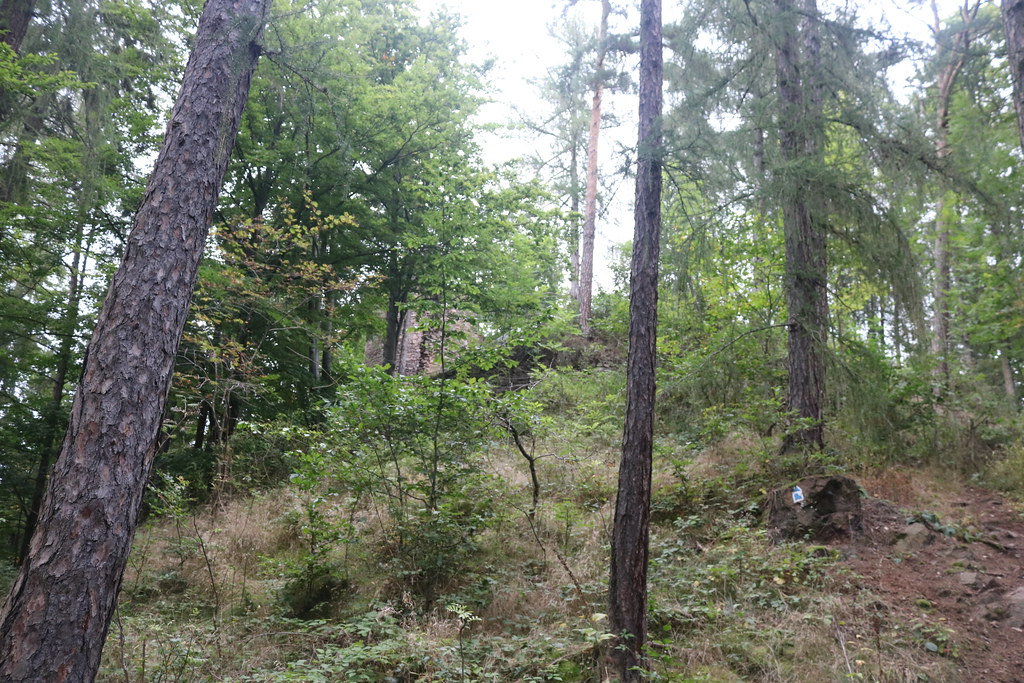
Impressions:A picturesque ruin that towers above the village of Perštejn. And for its short history, it has a surprisingly rich one.