Visited:14. 9. 2021
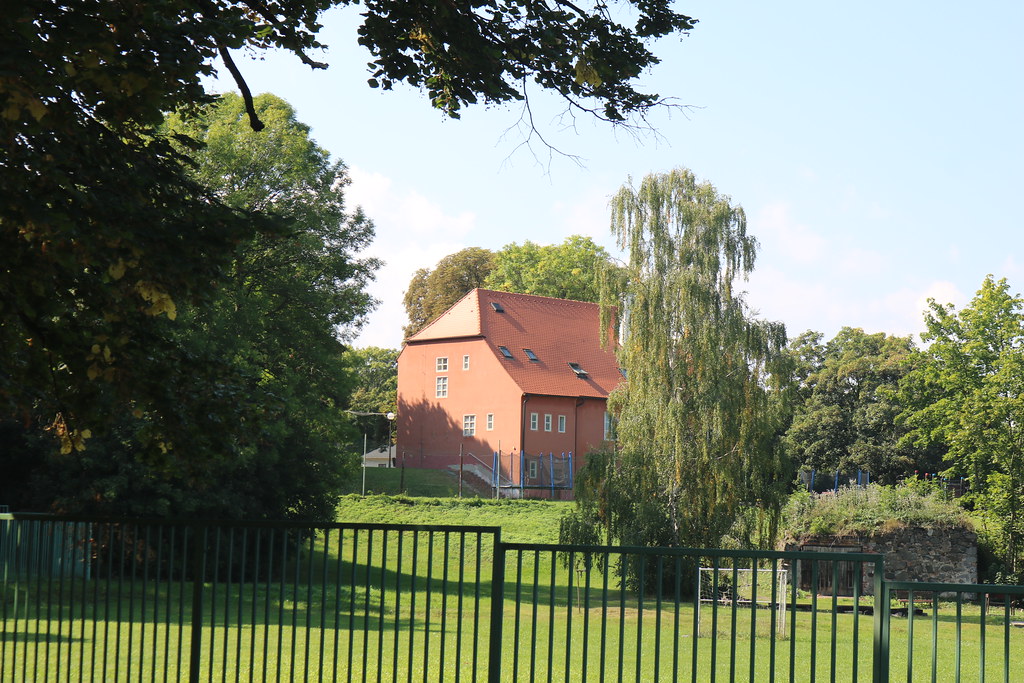
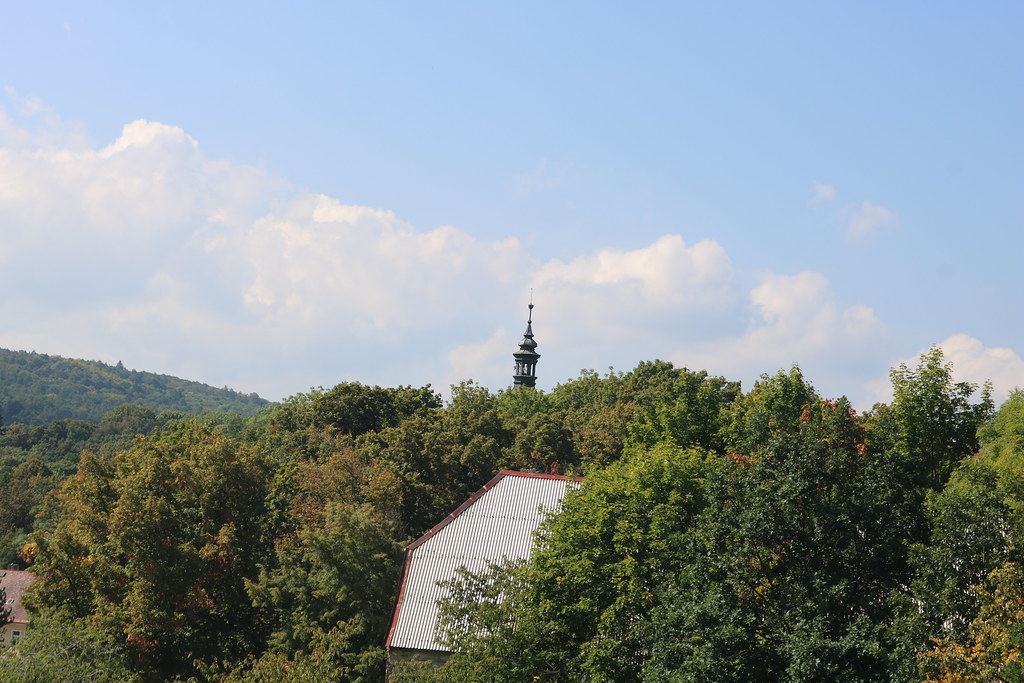
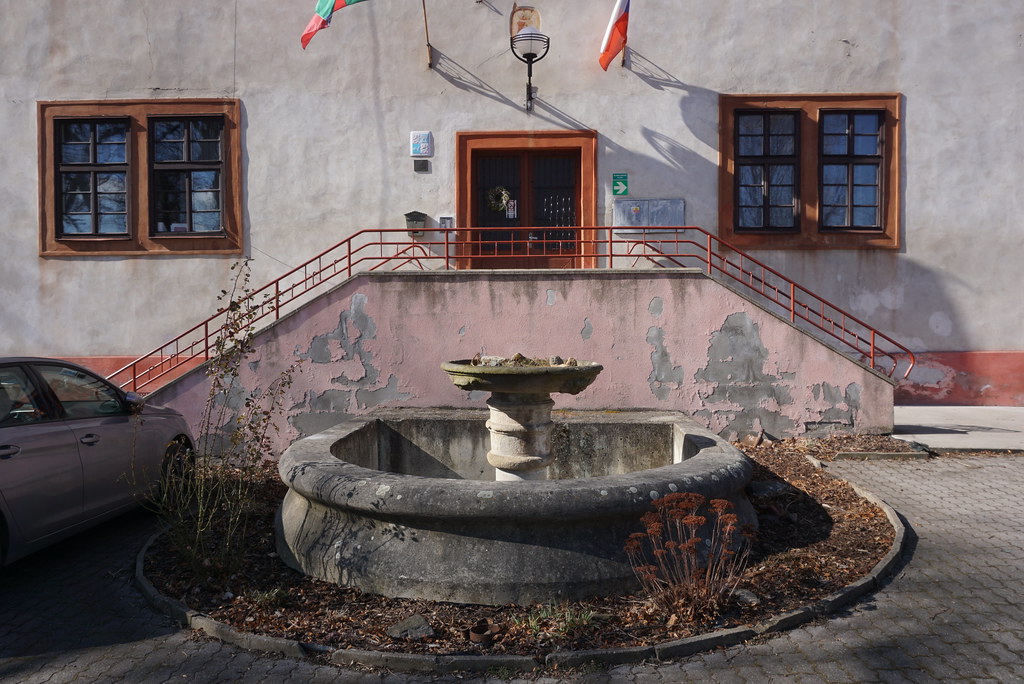
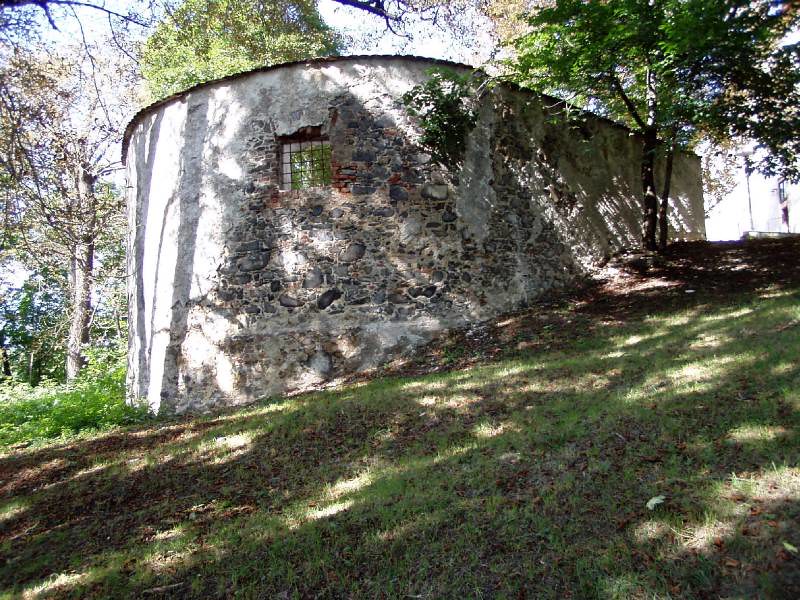
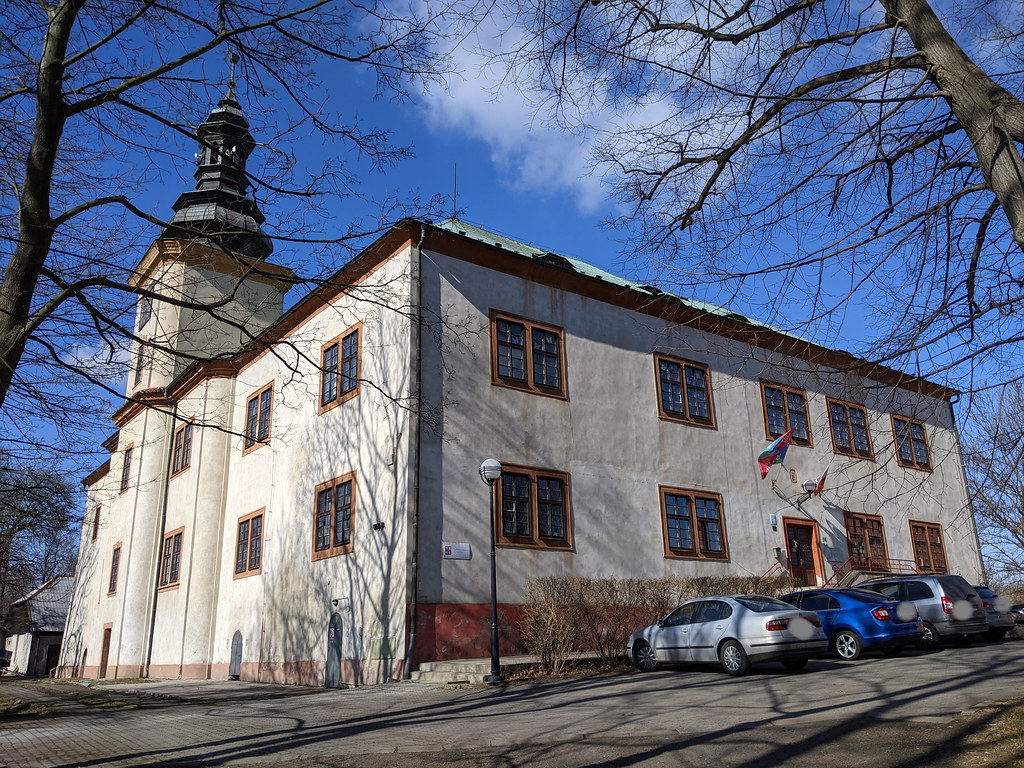
History:Formerly there was only the princely court, which was donated by Prince Soběslav I. sometime between 1125 and 1140 to a certain Milhost. His son founded a Cistercian monastery here between 1192 and 1193, but it moved to Osek between 1197 and 1198. Subsequently, during the 13th century, the local town was held by the lords of Mašt'ov. The Gothic castle of Mašt'ov, first mentioned in 1281, was probably built by Břetislav and Purkart of Mašt'ov, who may have come from the Milhost family. After 1391 the castle belonged to the Lords of Dubá and in 1410 Habart of Hertenberk is mentioned, who opened the castle to the Hussite army in 1421. The Hussites left a garrison at the castle, which briefly defended itself against the army of the Second Crusade. However, the fortifications of the castle were not ready to withstand the artillery fire and the garrison surrendered on 3 September 1421. The Crusaders allowed the governor and every tenth man to leave, but the other 84 defenders were executed. The castle was subsequently rebuilt. In the following period, the castle changed many owners: Bušek of Tachlovice (1431), Petr Vrš of Sadlno (1436), Vilém of Nečtin (1444), Mašt'ovský of Kolovrat (1454 to 1531), Jan the Younger of Lobkovice (1531) and Jeroným Šlik (1542). In 1555 Mašt'ov belonged to the estate of Bohuslav Felix Hasištejnský of Lobkovice. After his death, the castle passed to his eldest son Valdemar Hasištejnský of Lobkowice, who had it rebuilt into a Renaissance chateau. After the Lobkovice family, several owners changed quickly: the Švamberk family (end of the 16th century), Prokop Dvořecký of Olbramovice (1603) and from 1613 (or 1612) the Štampach family. The first of them was Matyáš Štampach of Štampach, who was succeeded by his nephew Jan Rejchart Štampach of Štampach in 1615. He died soon afterwards and the estate passed to his brother Jan Jindřich Štampach. Jan Jindřich Štampach, however, took part in the Estates Revolt and King Frederick the Great even stayed at Mašt'ov, so his entire estate was confiscated. The Spanish general Vilém Verdugo bought it from the royal chamber in 1623. In 1662 the estate was bought by Count Jan František of Goltz. His family had the castle rebuilt in Baroque style and a tower added. A brewery was built in the former forecourt. During their reign, a peasant uprising took place on the estate, when in 1682 several thousand peasants gathered at the castle and rebelled against the exploitation of the local nobility. The next day the peasants marched to Kadani, where they were defeated by General Harant's army and most of their leaders were executed. Arnošt Jan Goltz, the last member of the family in Mašt'ov, shot himself in the castle on 30 December 1792 and his relative Vojtěch Mladota from Solopysk inherited the estate. The last noble owners of the estate were Gabriela of Ditrichstein from 1838 and the Czernins of Chudenice from 1845. From the beginning of the 19th century, however, the castle ceased to serve as a nobleman's residence and was used as the seat of the nobleman's office and as the apartments of the local administrators. After the end of World War II, the castle was confiscated and a youth home was established there, which was eventually turned into a children's home. The form of the Gothic castle is unclear, but it was probably in two parts. Irregularities in the pentagonal plan of the castle building could follow the perimeter of the original castle core, which was encircled by a parkland. Two circular artillery bastions survive on the west side, of which there were six according to the 1727 town plan. The castle building is one storey and has four wings with enclosed arcades around a small courtyard. On the south side, a square tower with an onion bay and a clock rises from the perimeter. The external walls are plainly plastered and unadorned. The ground-floor rooms are vaulted with lunettes, and there is a double-arched Baroque staircase in the north-eastern part. A bowl-shaped fountain is located in front of the entrance to the castle. Around the building is the castle park.
Source:https://cs.wikipedia.org/wiki/Ma%C5%A1%C5%A5ov_(z%C3%A1mek)
Source:Castles, Chateaus and Fortresses in Bohemia, Moravia and Silesia - dr. Emanuel Poche
Source of the photo of the bastion:https://pamatkovykatalog.cz/basta-ii-7813241
The source of the photos, where you can see the whole castle:https://commons.wikimedia.org/wiki/Category:Ma%C5%A1%C5%A5ov_Castle
Impressions:Beautiful castle, which unfortunately was not very visible through the dense park.