City coat of arms:

Visited:13. 9. 2021
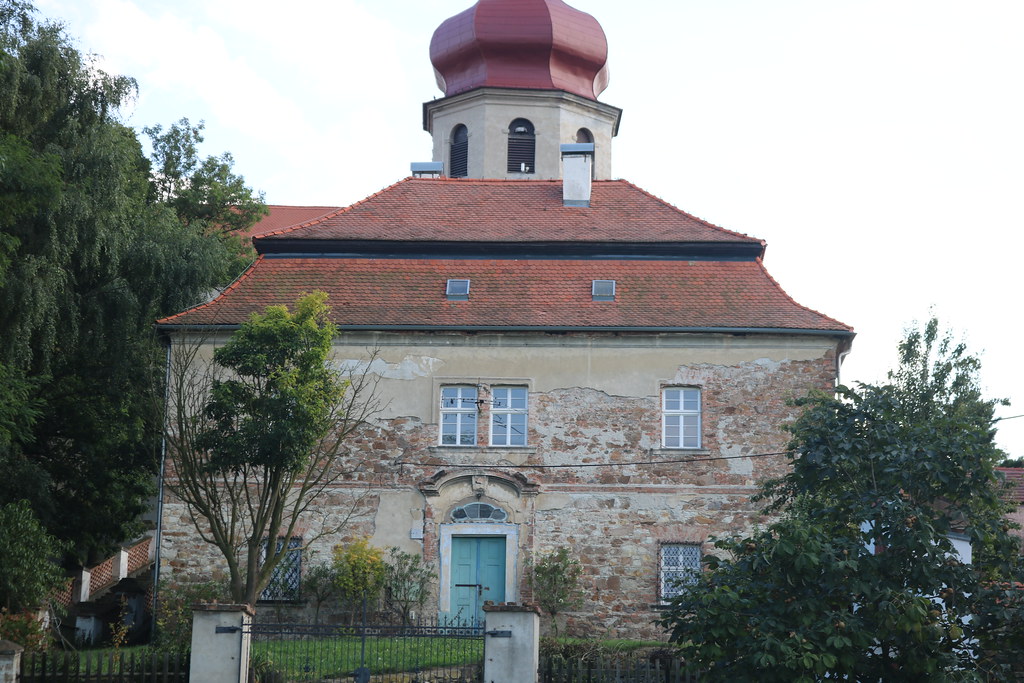
History:The village of Libědice (German: Libotitz) is located about 11 km southeast of Kadan. The name of the village is derived from the phrase people Ľubědovi, meaning the village of people Libědovi. The first written mention of the village dates back to 1226, when King Přemysl Otakar I gave it to the Doxana Premonstratensian monastery: Otacarus rex monio Dokzan donat Lubedici. In the 14th century Libědice was divided among several owners. One of them was the monastery of Doxana, but the oldest known owner by name was Střezimir of Libědice, mentioned in 1318. There was also a rectory here, to which another part of the village belonged. The brothers Kuneš and Sulka of Libědice and Sulka's son Zdich had patronage rights to the parish church in 1358. In 1386, Erhart of Doupov, who wrote from Libědice, is mentioned as the owner of a part of the village. Due to the small size of the estate of the vladyks of Libědice, there was probably a fortress or other manor of lower quality, but there is no evidence for its existence. In 1404, the owner of part of the village was Čeněk Sekerka of Sedčice, who sold it a year later to the Kadan townsman Kunš. Another known owner was Slavibor of Libědice in 1407. In 1496, a part of Libědice was sold to the heirs of Benes Krabice of Veitmila of the Pětipesky family from Chýš., who then ceded it to the Štampach family from Štampach. In the 16th century Libědice was shared by three owners. The Libnaurs of Přívlak and the Doupovs had their manors here and other estates belonged to Kadani until 1548. The joint property of Jan and Vilém of Doupov was inherited by Vilém and after his death it passed to his ten sons. In 1572, the sisters Anna, Dorota and Johanka Hasištejnská of Lobkovice bought it from them. Their part was acquired by Jan Novohradský of Kolovrat, who, according to August Sedláček, founded Libědice Fortress. However, we know a report from 1571 about a tax levied under the fortress, so it is obvious that the fortress stood here already in the time of the Doupovs. Jan Novohradský's wife was a Lutheran, and thanks to her a Protestant priest Michael Corniny worked in Libědice from 1560. Many new settlers from Germany also moved in. The estate of Jan Novohradský was inherited by his four daughters, of whom Voršila became the sole owner in 1599 and then left the estate to her husband Kryštof Hasištejnský of Lobkovice. In 1607, however, it is reported that Voršila sold a fifth of the village and the yard for 16,000 Mišenyk kopeks to Otýlia Doupovcová of Žďár. Either she or her son Vilém Vojtěch and his sisters merged most of the village into one unit and only a small part continued to belong to Kadani. Vilém Vojtěch of Doup took part in the Prague defenestration and served as a commissar of the Estates Army, and although he died in 1621, he was condemned to lose a third of his property, including a fifth of Libědice. His mother and sisters went to Annaberg in Germany in 1628, where they died. The other convicts were Oldřich Hrobčický of Hrobčice, whose manorial lands in Libědice were transferred to the manor, and the knight Eliáš Schmidtgräbner of Lustenegg. The remaining property of the Doupov family was confiscated on the instructions of Albrecht von Wallenstein and sold in 1633 to Dr. Iustus Stroporius of Marsfeld, from whom it was inherited by the remarried widow Marie Zuzana Smyslovská and bequeathed to the Carmelite monastery in the Lesser Town in Prague in 1668.
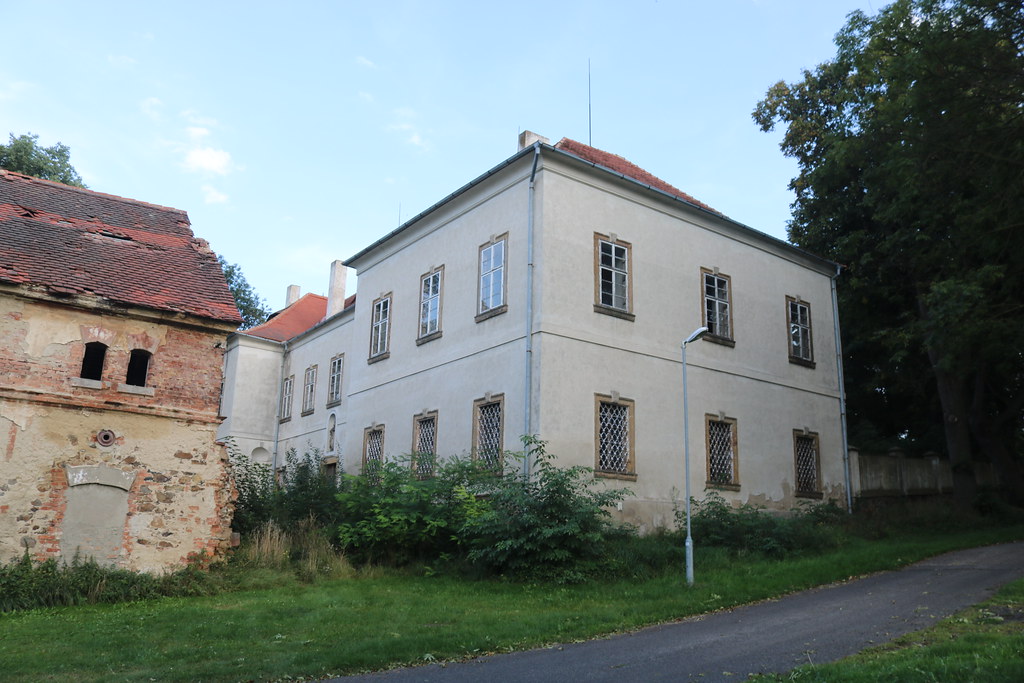
During the Thirty Years' War, troops from all the warring sides passed through Libědice several times. As early as 1622, the Dutch army built a camp in the village. According to the tax roll from 1654, there were 36 houses in the village, eight of which belonged to Kadani and the rest, together with the fortress and brewery, to Maria Zuzana Smyslovská. The Carmelites had the church enlarged and converted the fortress into a Baroque religious house. After the dissolution of the Order, the property was administered by the Religious Fund, from which Vojtěch Mladota of Solopysk bought it in 1808 and added it to the Mašt'ov estate. When he died, his wife sold the estate to Countess Gabriela Ditrichstein in 1833. In 1845, shortly before the abolition of serfdom, the whole estate was bought by Evžen Karel Černín of Chudenice. After the abolition of the patrimonial administration in the middle of the 19th century, the village became an independent municipality. In the 19th century, a deposit of clay with imprints of extinct plants was mined on the western edge of Libědice, where the village of Brusy used to stand. The material was used as a mineral fertiliser rich in calcium. The Libědice region also extends to the edge of the Five Peaks brown coal basin, and several smaller mines were established here: Antonín, Tomáš, Jan Nepomucký, Vojtěch, Trojjedinost and others. West of Brus was the Josef Mine from the 1850s to the 1890s, where only two or three miners worked. The largest mine was Jan Nepomuk north of Brus, where in the second half of the 19th century around fifty tons of coal were mined per year. It was closed around 1900 because the local coal was not of good quality and was used only by local customers. When the railway to Vilémov was built, the local mines were unable to compete with the better quality coal from Most. Mining of the Vojtěch mine, which was up to 1.5 metres thick, began in the 1840s but was soon stopped and was not restored until 1917. Coal mined from a depth of 35 metres was reportedly transported by cable car to the road from Kadana to Žatec. Due to poor sales, mining was stopped again in 1922. The total production of the coal mines in Libedice is estimated at less than 100 000 tonnes. From 1850 Libědice belonged to the Kadan district. After its abolition, it became part of the Chomutov district in 1961. During the years 1981-1990 they were annexed as a local district to Pětipsy. In the western part of Libědice, the village of Brusy stood in close proximity. Since 1850 it was a local part of Libědice, but because the two villages merged structurally, Brusy was officially dissolved in April 1914 and became an integral part of Libědice. Libědice already had a school at the end of the 16th century. However, the Czech school was not opened until 1929. It was located in four rented rooms in the castle. During the Second World War, a labour camp was set up in No. 24 in 1941 for French prisoners of war who worked in the fields or in the locksmith's workshop. After the war, most of the original inhabitants were displaced, but as early as 1945, 100 new inhabitants moved in. So while in 1930 there were 673 inhabitants, in 1950 there were 290 inhabitants. The castle became a warehouse and the private farms were merged into a single agricultural cooperative, which in 1976 merged with others into the JZD Nástup in Račetice. In 2011 there were 200 inhabitants.
Source:https://www.libedice.cz/obec/historie/libedice/
Source:https://cs.wikipedia.org/wiki/Lib%C4%9Bdice
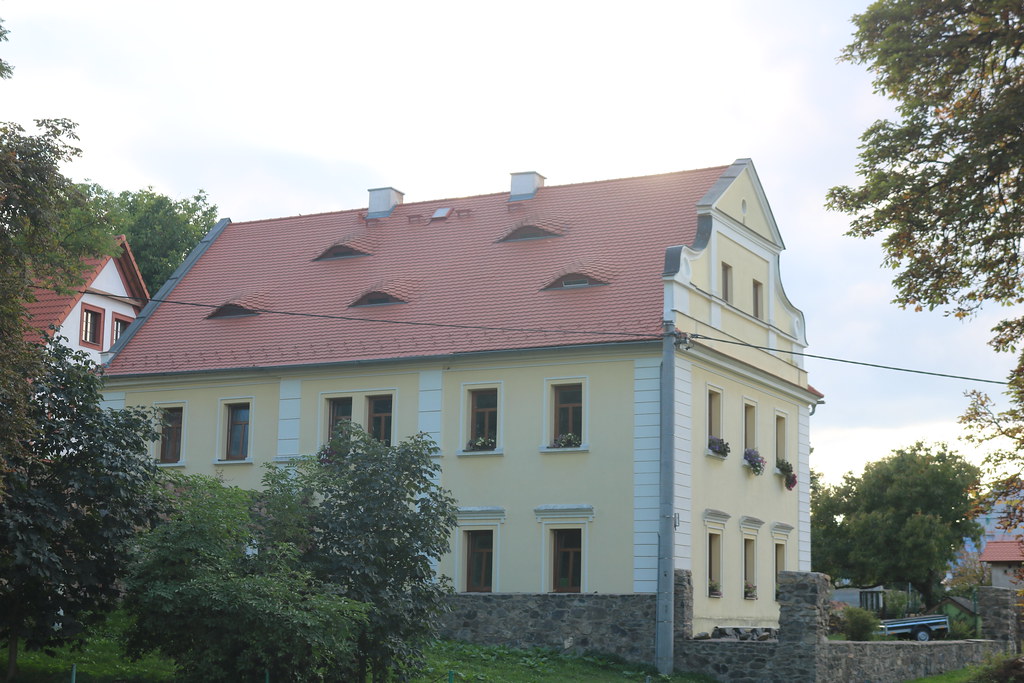
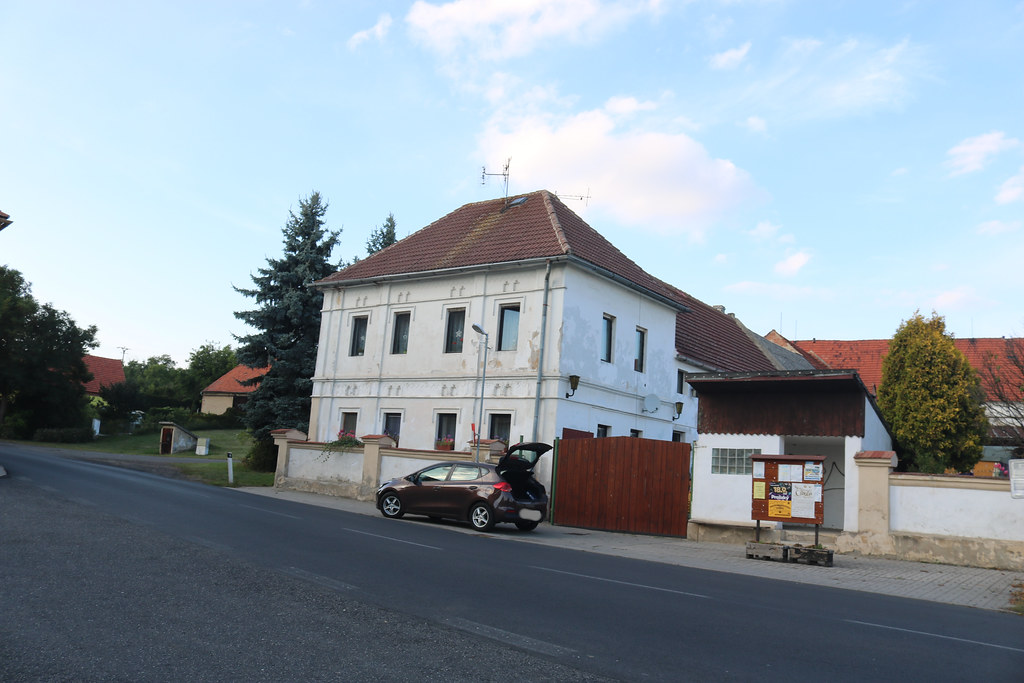
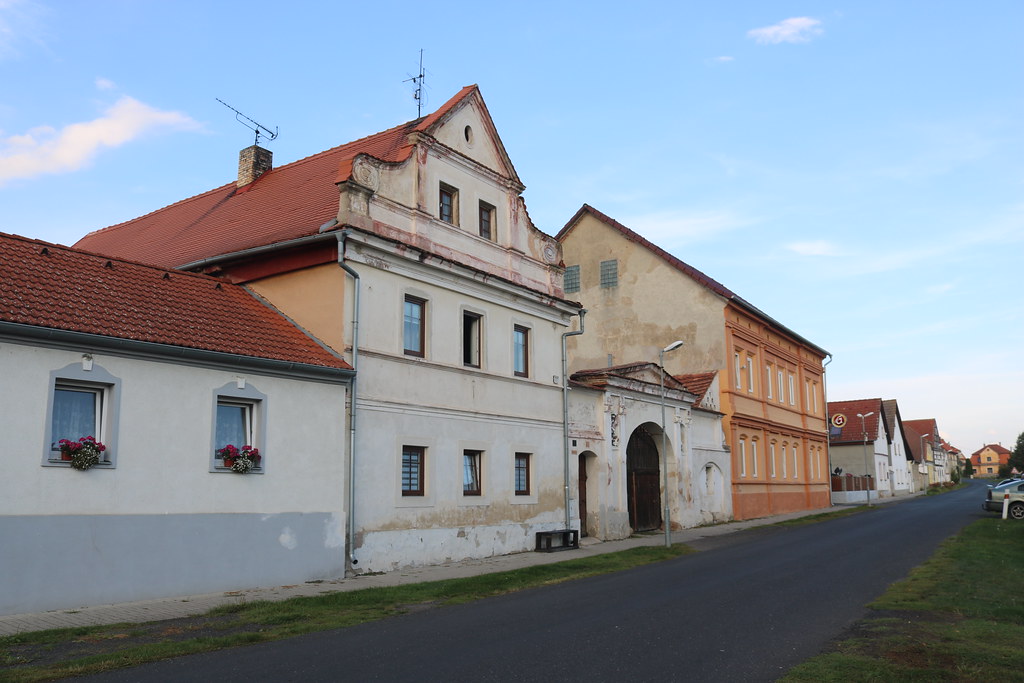
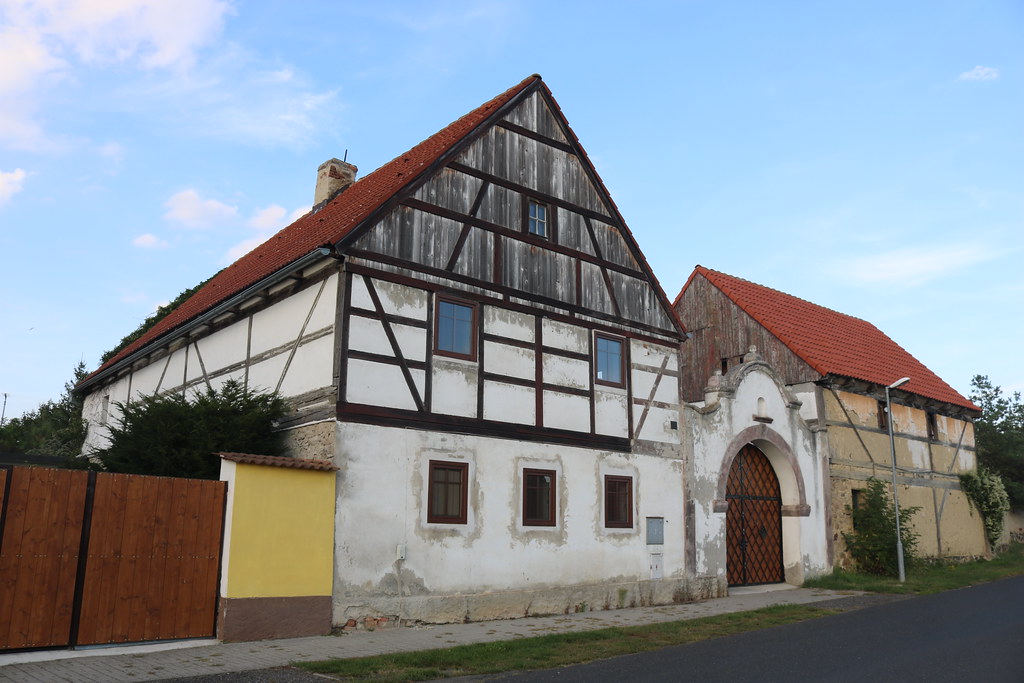
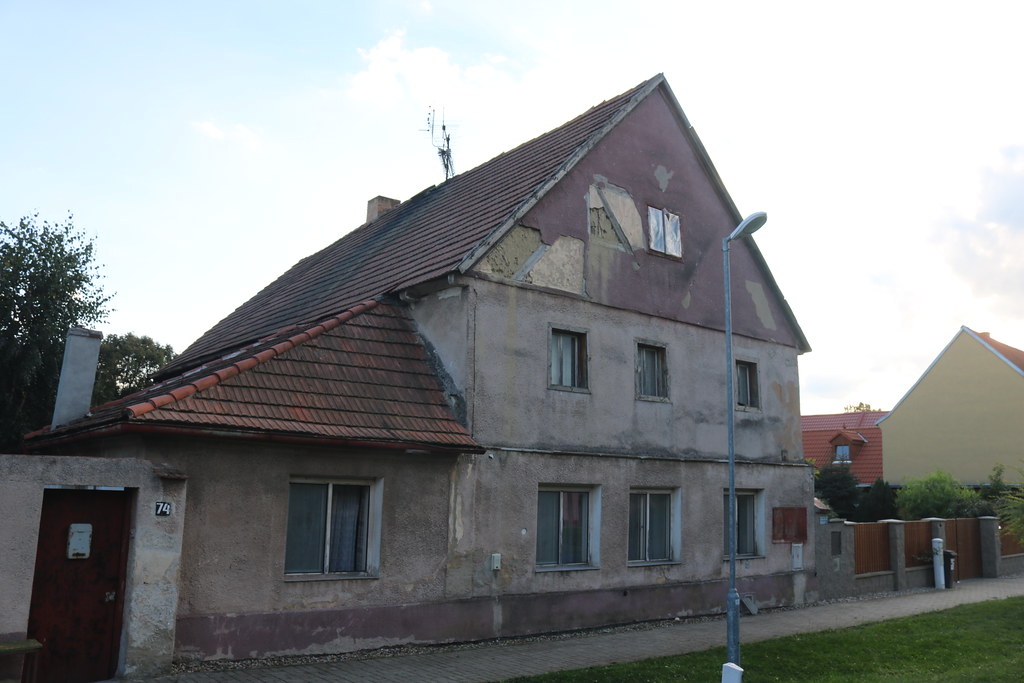
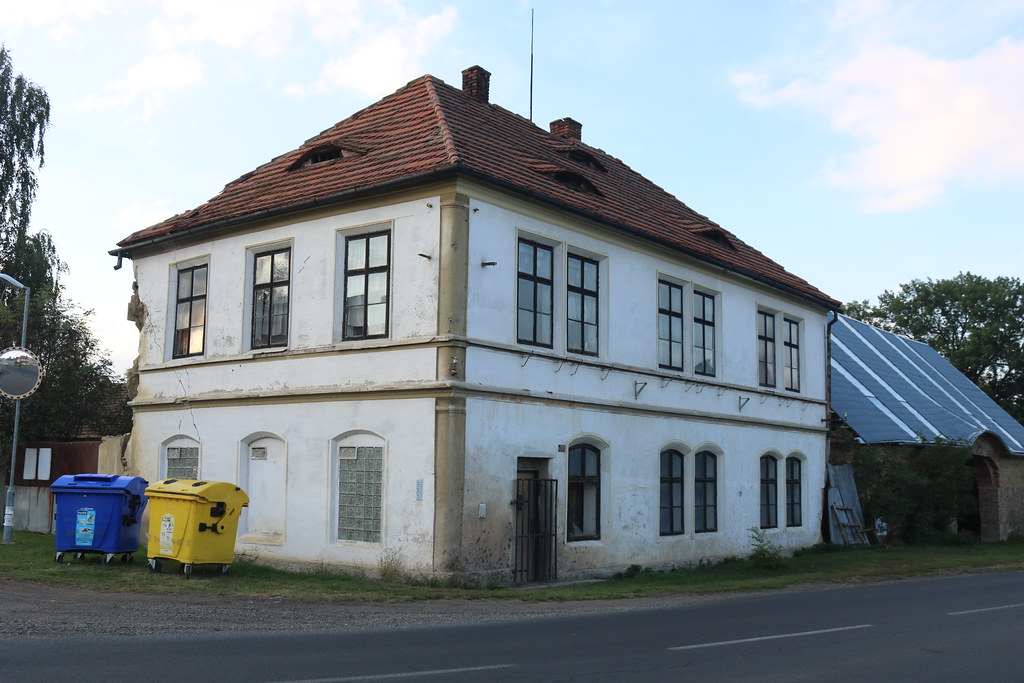
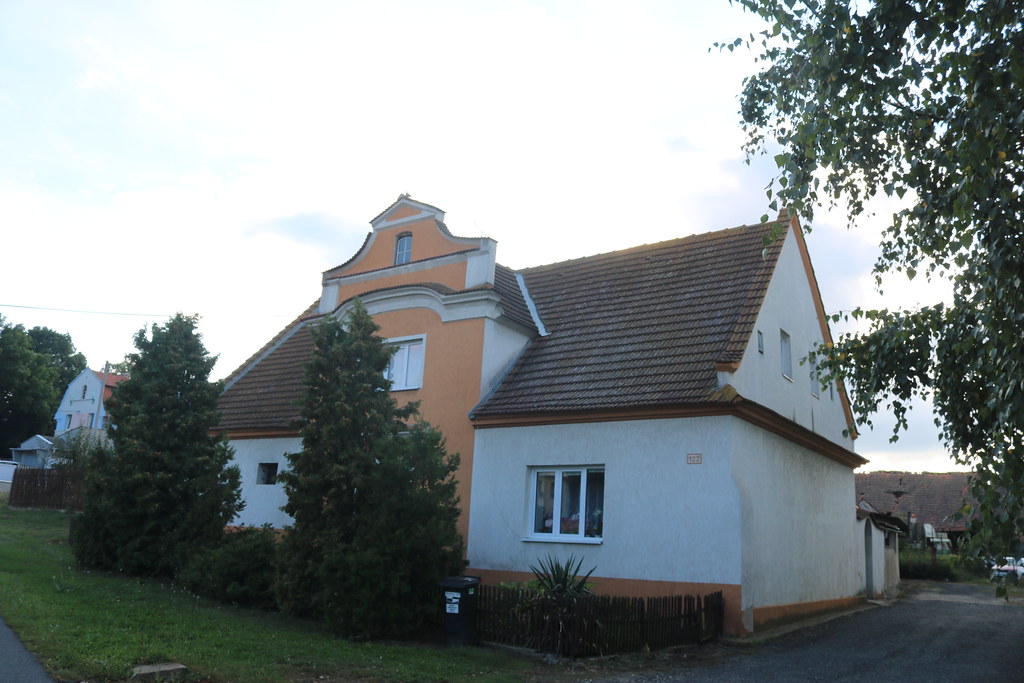
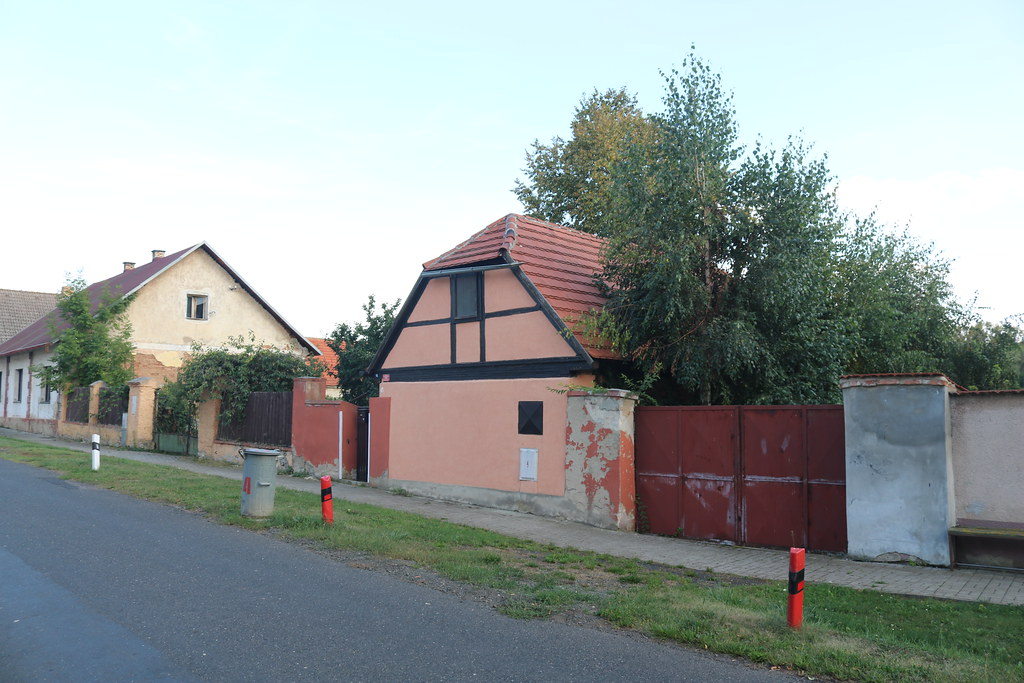
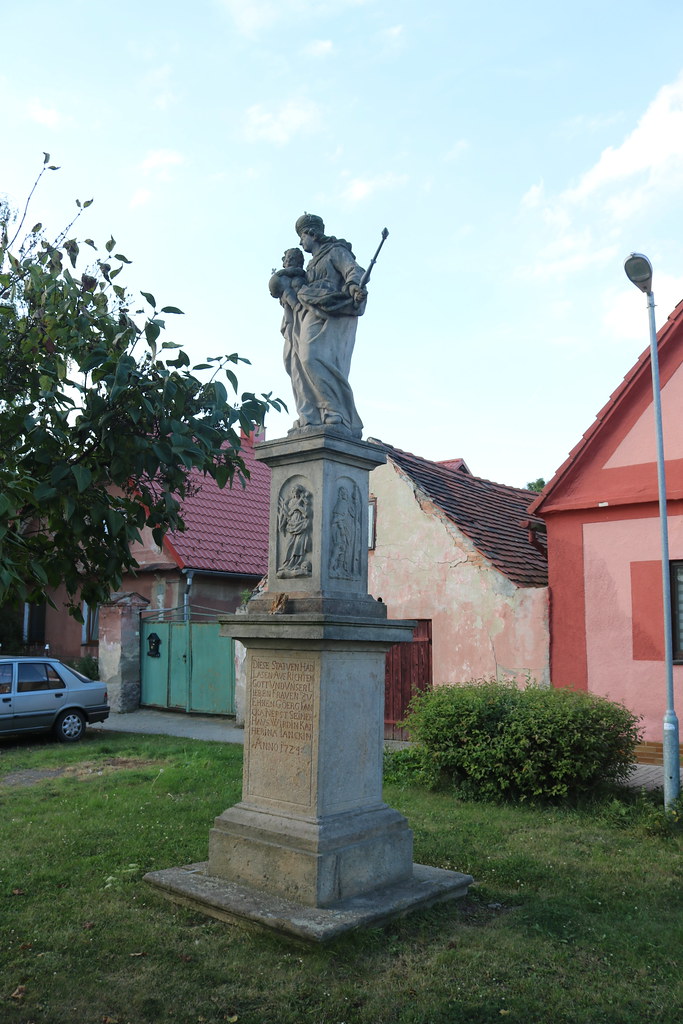
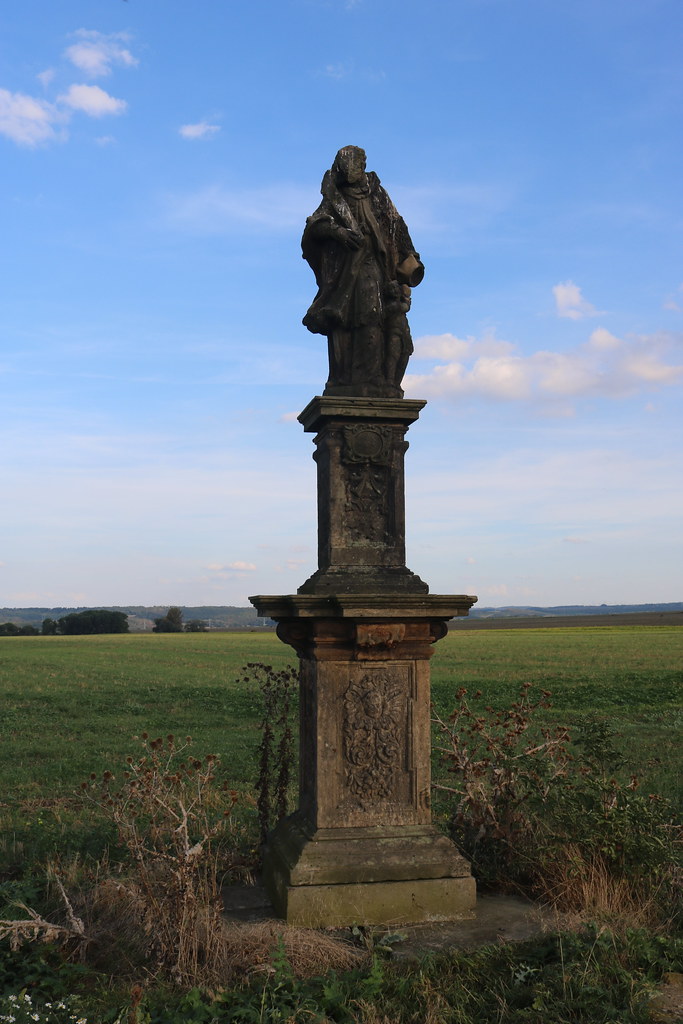
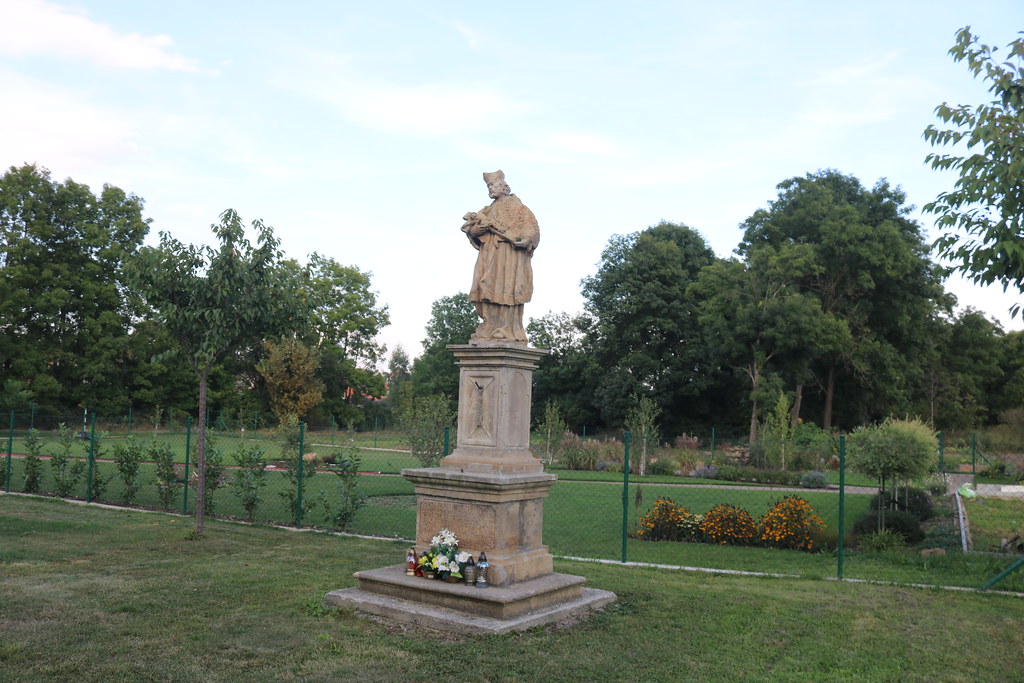
Impressions:A large village, located southeast of Kadana, where there are many attractions.